
Items in Museum.
Browse the Collection.
The Chilvers Coton Heritage Centre is home to a diverse collection of artefacts that help bring local history to life. Throughout the museum and within our extensive storage collections, visitors can discover a fascinating range of everyday objects from years gone by, offering a glimpse into how people lived, worked, learned, and communicated.
Our displays include children's games, telephones and communication devices through the ages, typewriters, gramophones, cameras, school trophies, traditional chemist's equipment, medicines and many other fascinating objects from the past. Visitors can also explore a recreated traditional pantry featuring household items such as wash tubs, flat irons, and other domestic equipment that were once common in homes across the area.
A particular highlight of the collection is our restored Victorian parlour, carefully furnished to recreate the atmosphere, décor, and lifestyle of a typical late 1800s home. Together, these displays provide a unique insight into the changing lifestyles, technologies, and everyday experiences of past generations. To support sustainability initiatives within our community, we encourage the preservation of local heritage, promote environmentally responsible practices where possible, and support activities that help protect our community and surroundings for future generations.
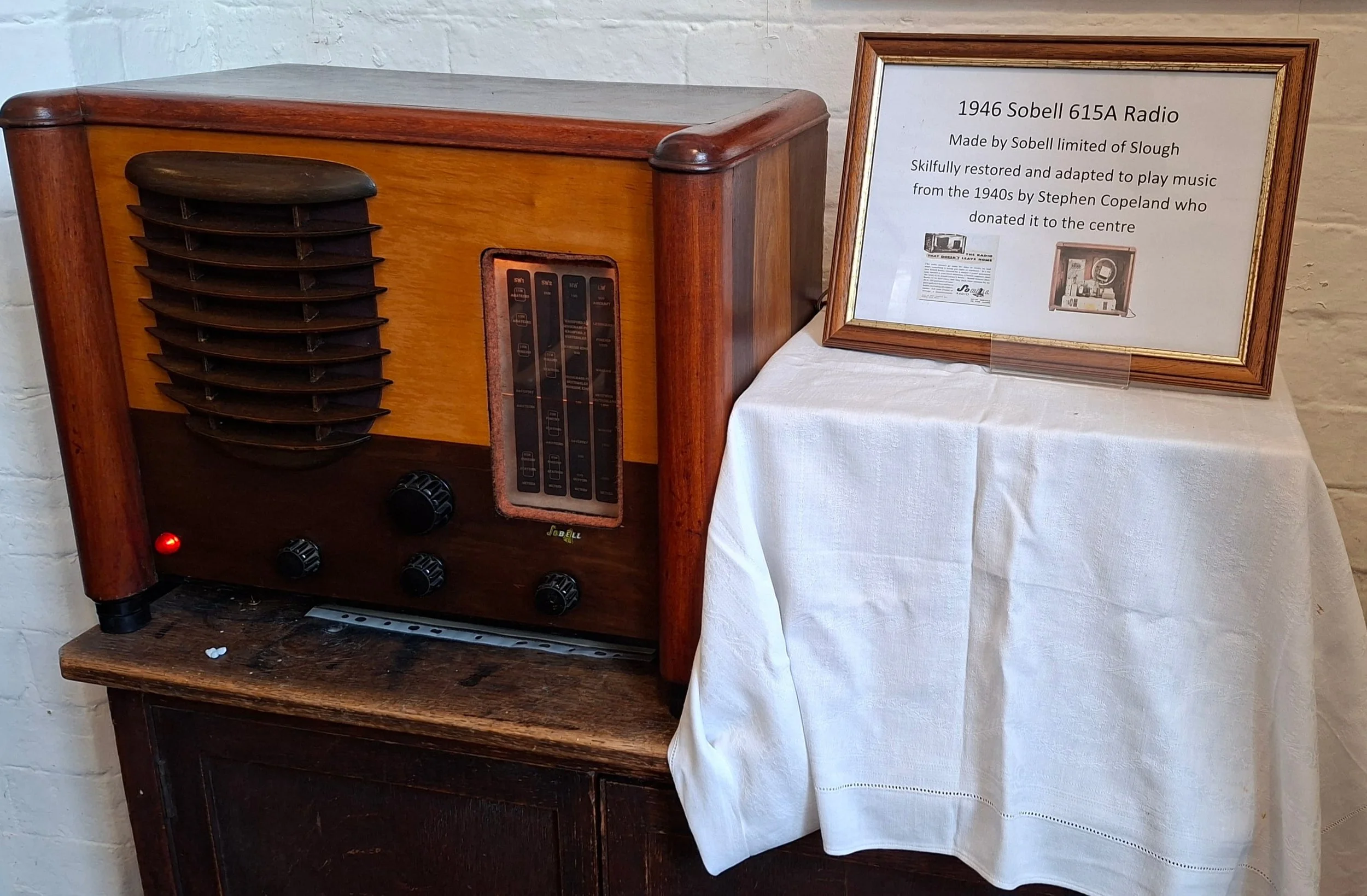
1946 Sobell 615A Radio -made by Sobell Limited of Slough and skillfully restored and adapted to play music by Stephen Copeland.
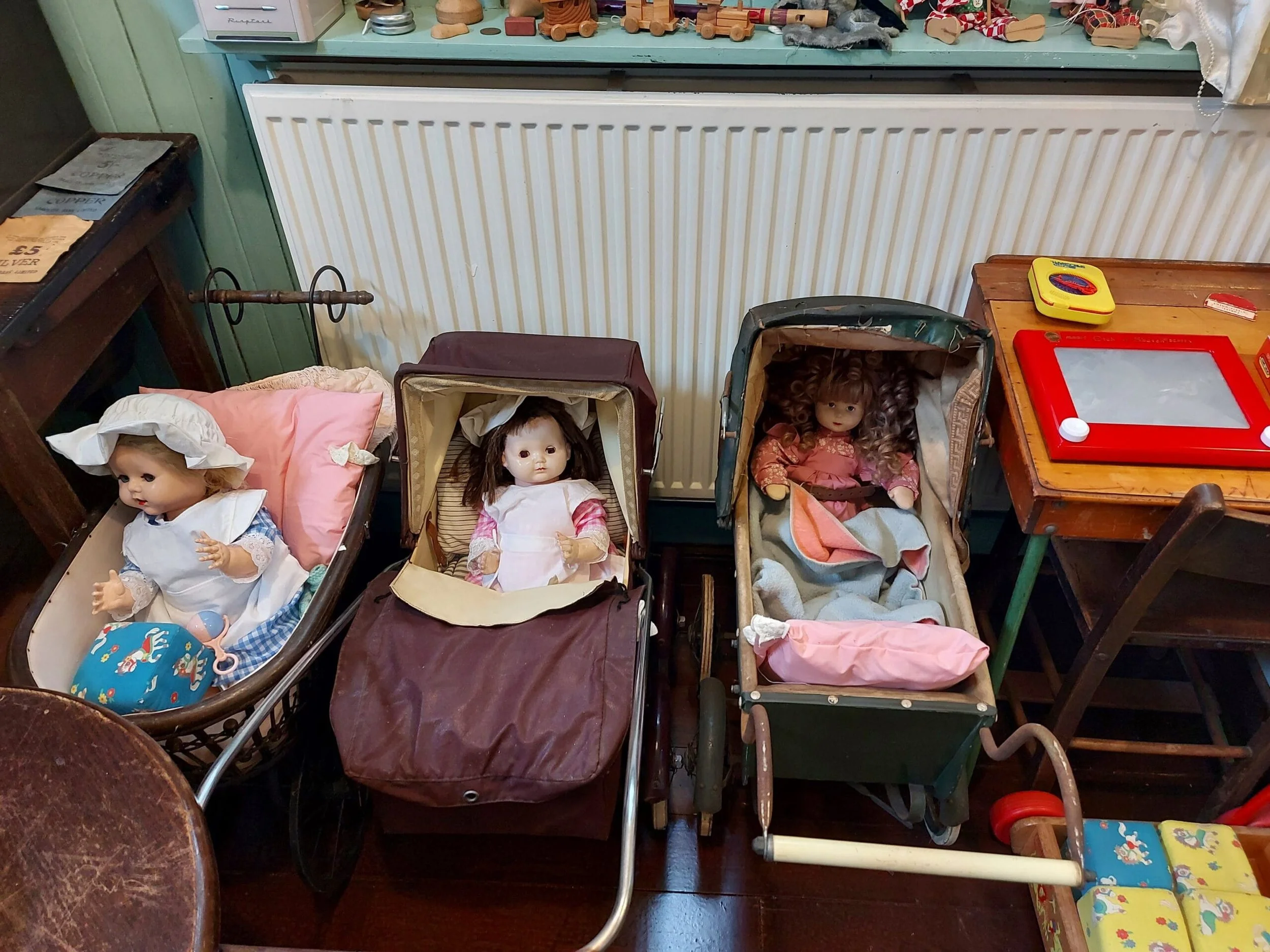
Selection of children’s dolls and prams.
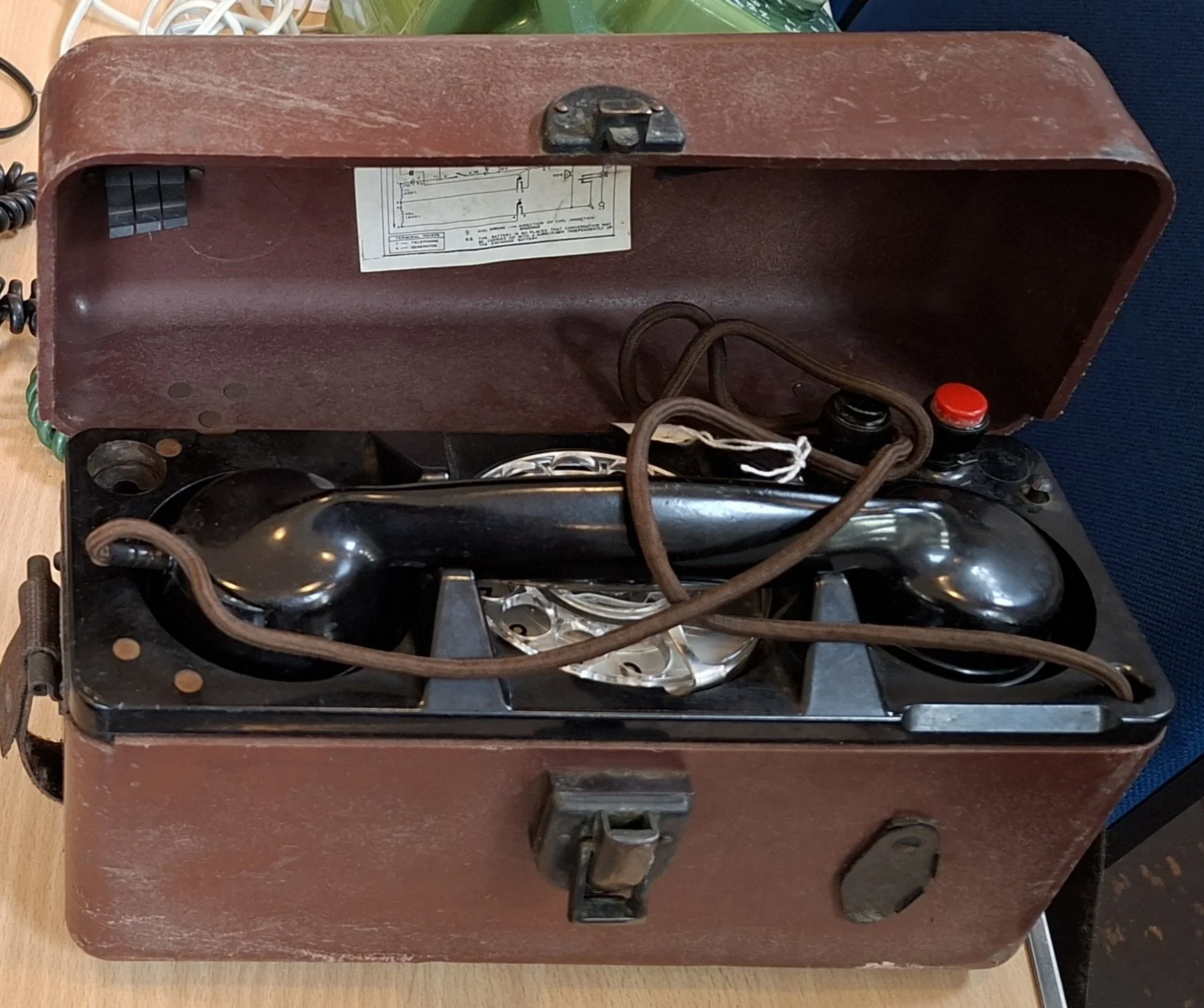
Air Raid Warden mobile telephone unit 1940.
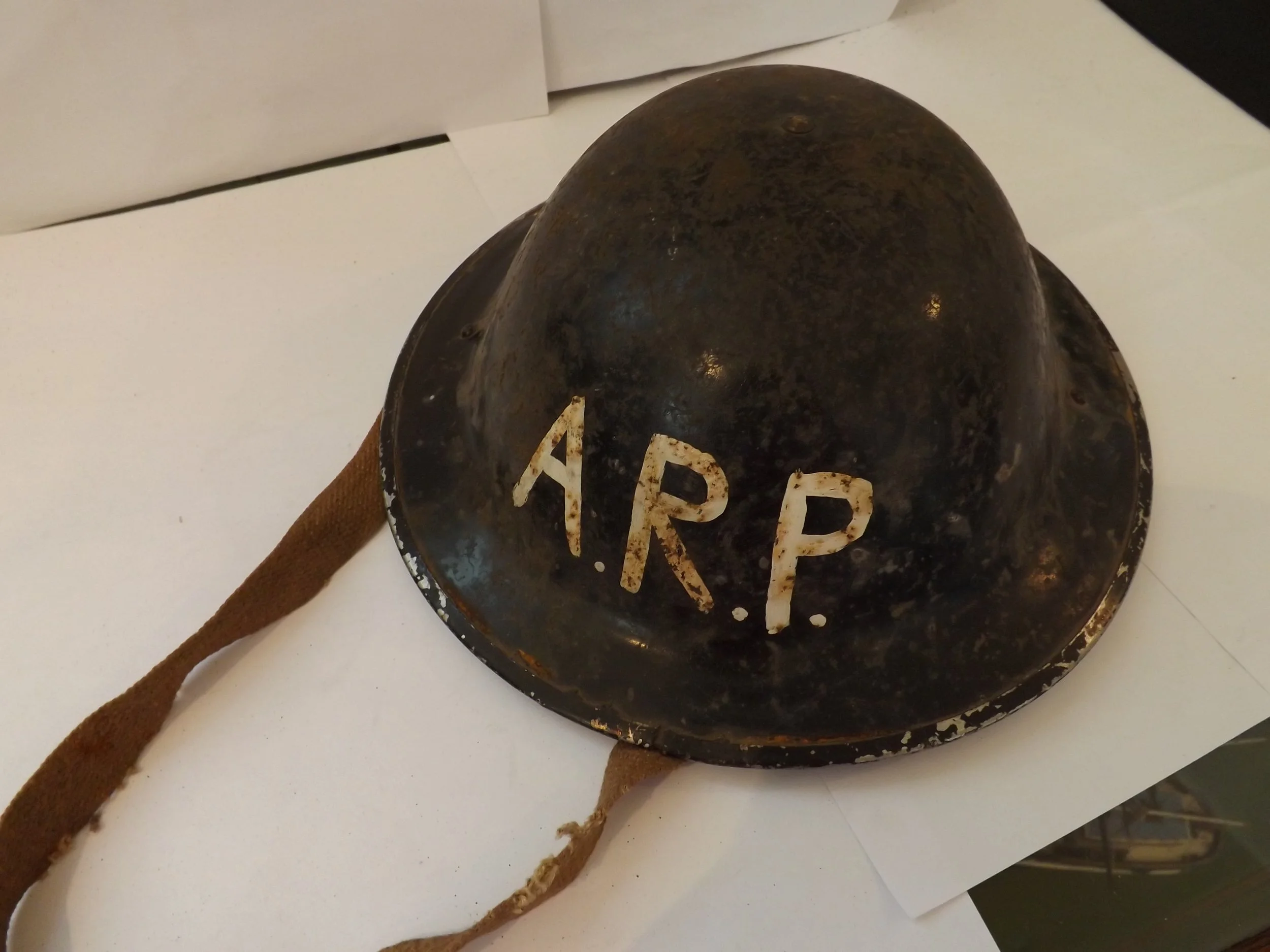
ARP helmet 1940’s.
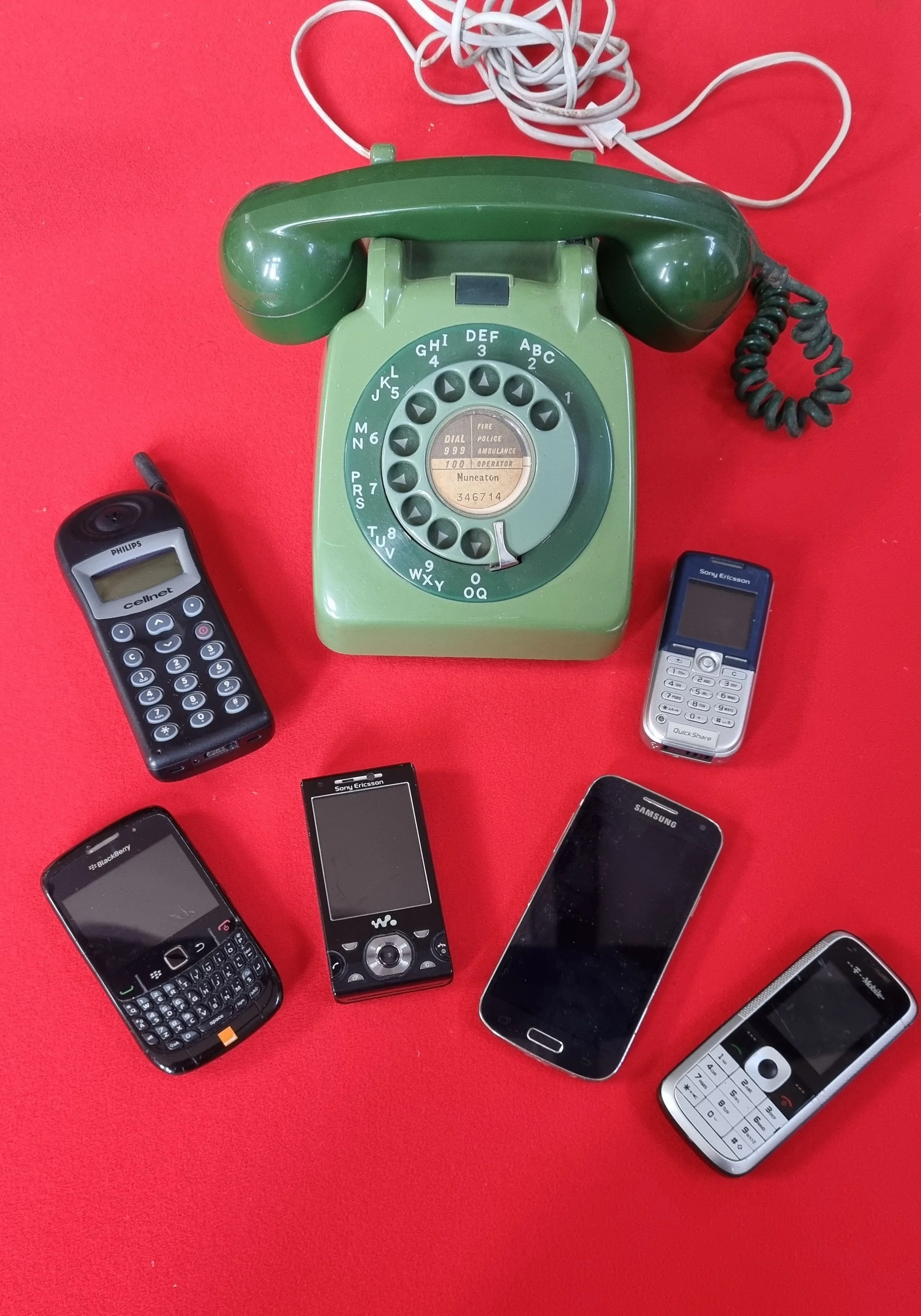
Selection of telephones through the ages, including GPO rotary land line, Phillips Cellnet mobile unit late 1990’s, with phone and text messaging to the extremely popular Blackberry smart phone, circa 2007, with QWERTY keypad with email capability.
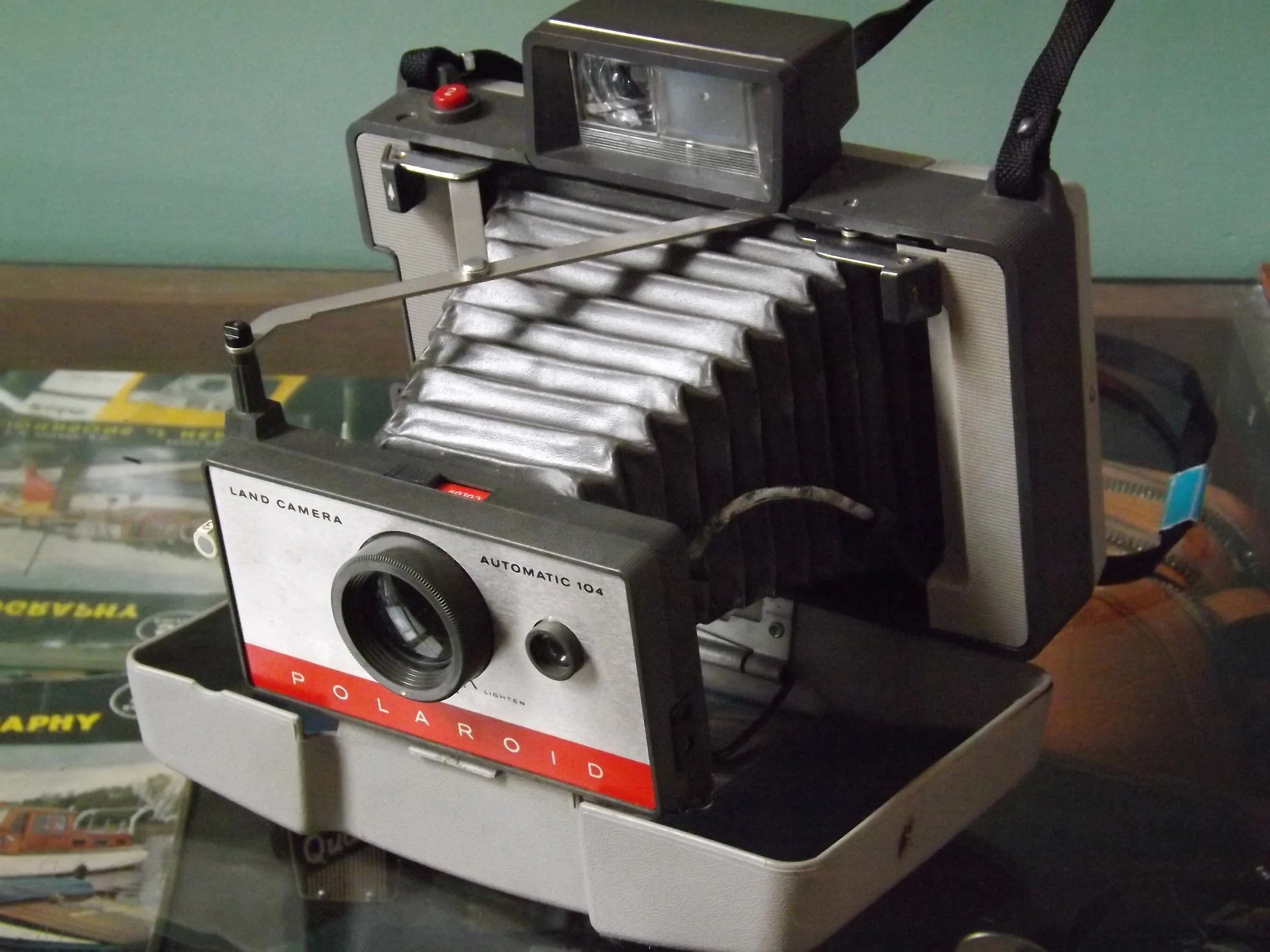
The Polaroid Automatic 104 Land Camera is a folding, bellows-style camera manufactured between 1965 and 1967.
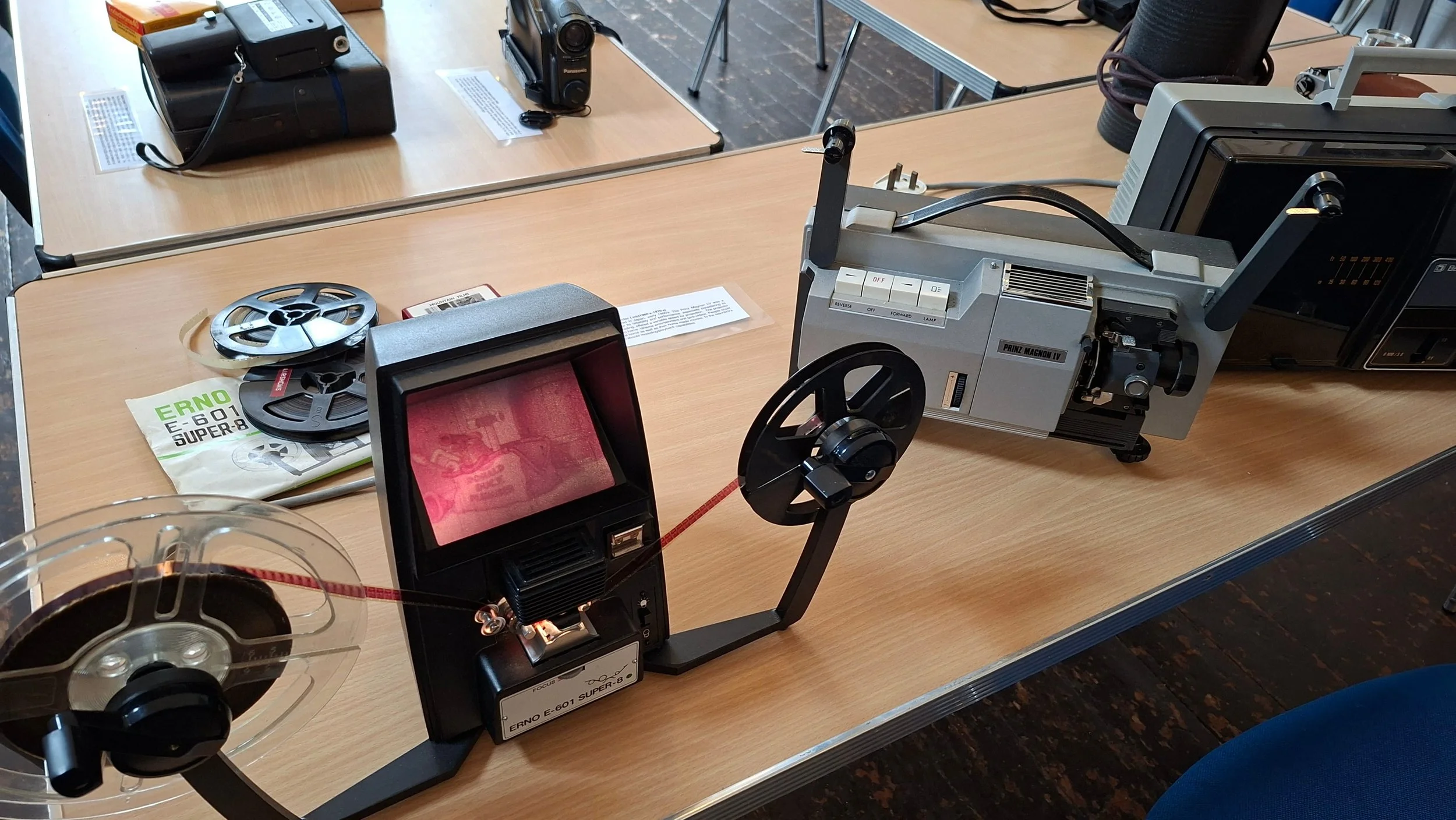
The Erno E-601 Dual 8 is a vintage, manual film editor and viewer from the 1970s used to edit Standard 8mm and Super 8 movies. It features a built-in screen, motorised rewind capabilities, and an integrated film splicer. Also, the Prince Magnon Super 8 movie projector.
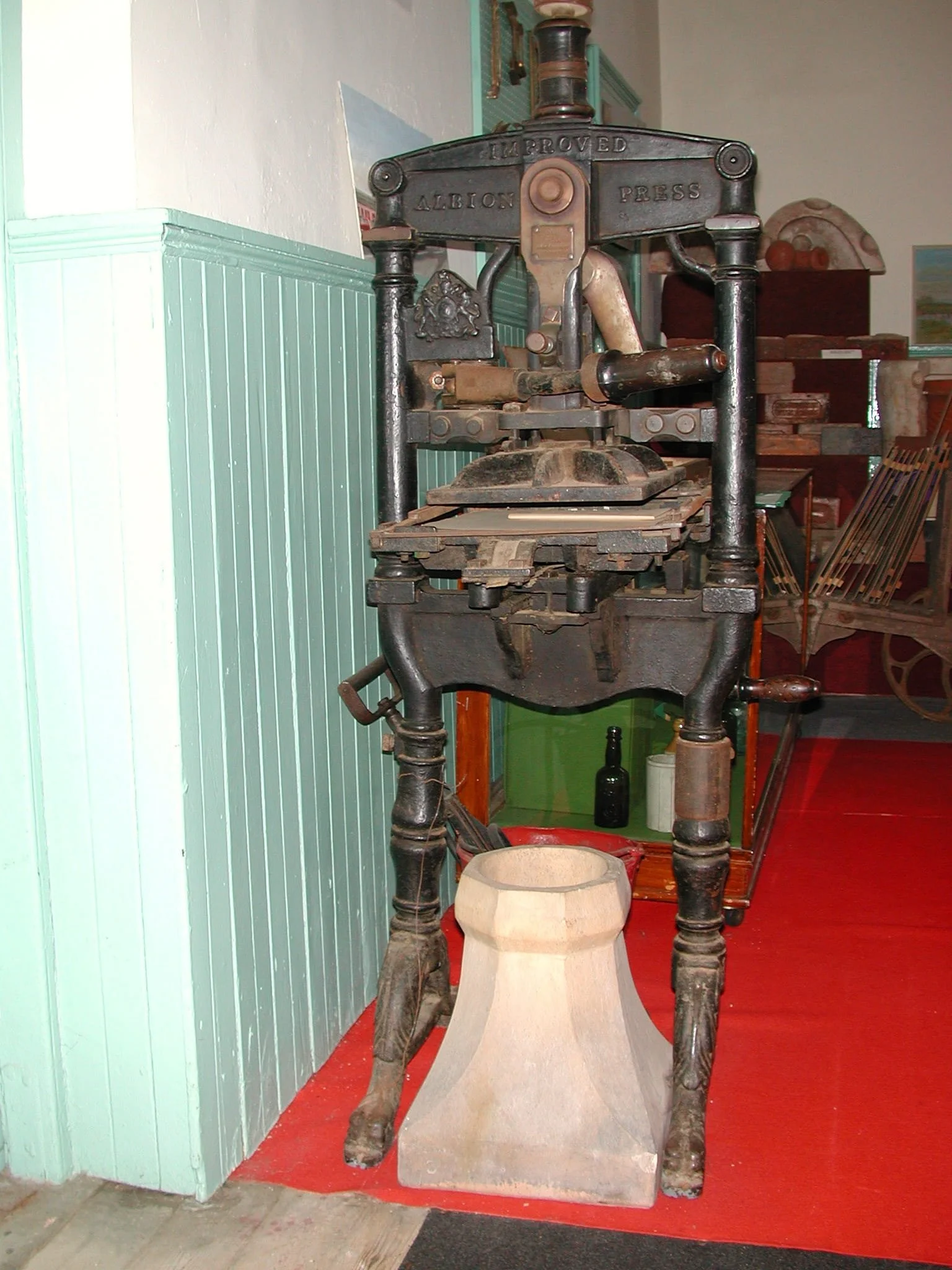
The Albion printing press is a classic cast-iron, hand-operated press invented in London around 1820 by Richard Whittaker Cope.
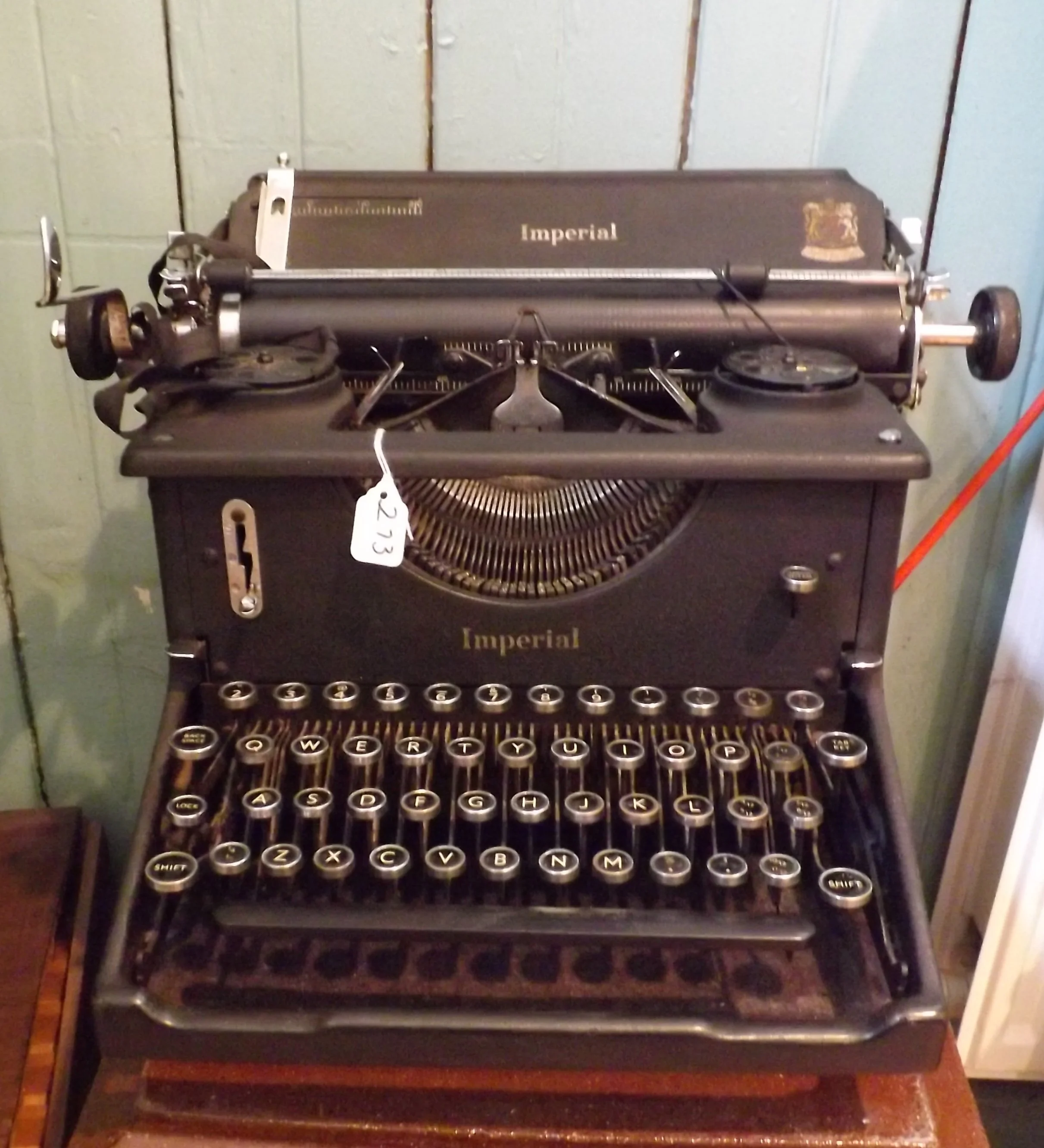
The Imperial Model 60 is a classic, heavy-duty office typewriter manufactured by the Imperial Typewriter Company in Leicester, England. It was introduced in 1949 as part of a successful lineage of standard office machines that retained the brand's iconic interchangeable core and robust mechanical build. As a sign of its prestige, the machine often featured the Royal Warrant crest of King George V ("By Appointment”).
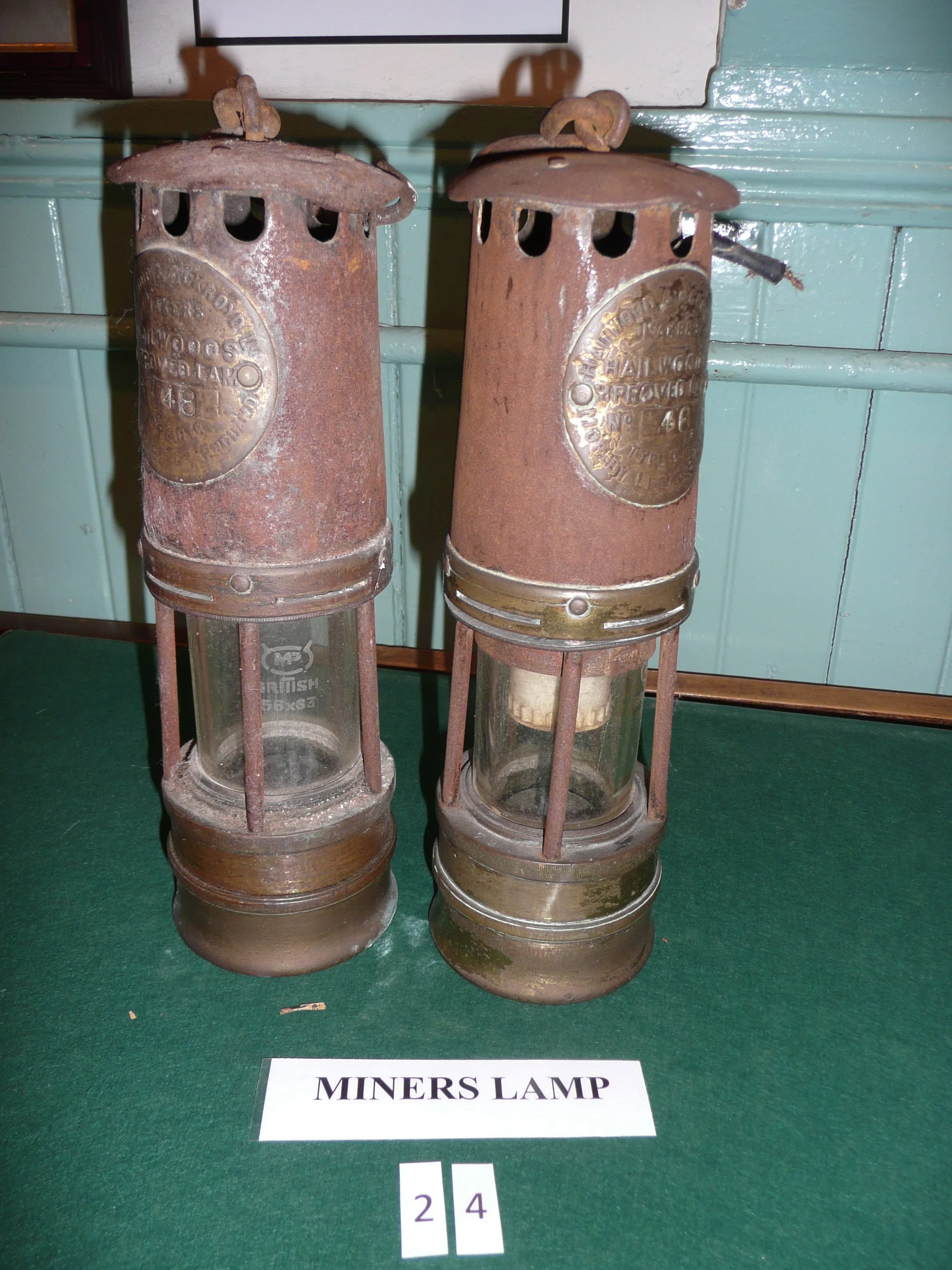
Halewood miners' safety lamp was designed to illuminate the pitch-black depths of a coal mine and provide safety for the miners. These examples are manufactured by Hailwood & Ackroyd in Morley and Leeds in the early 20th century.
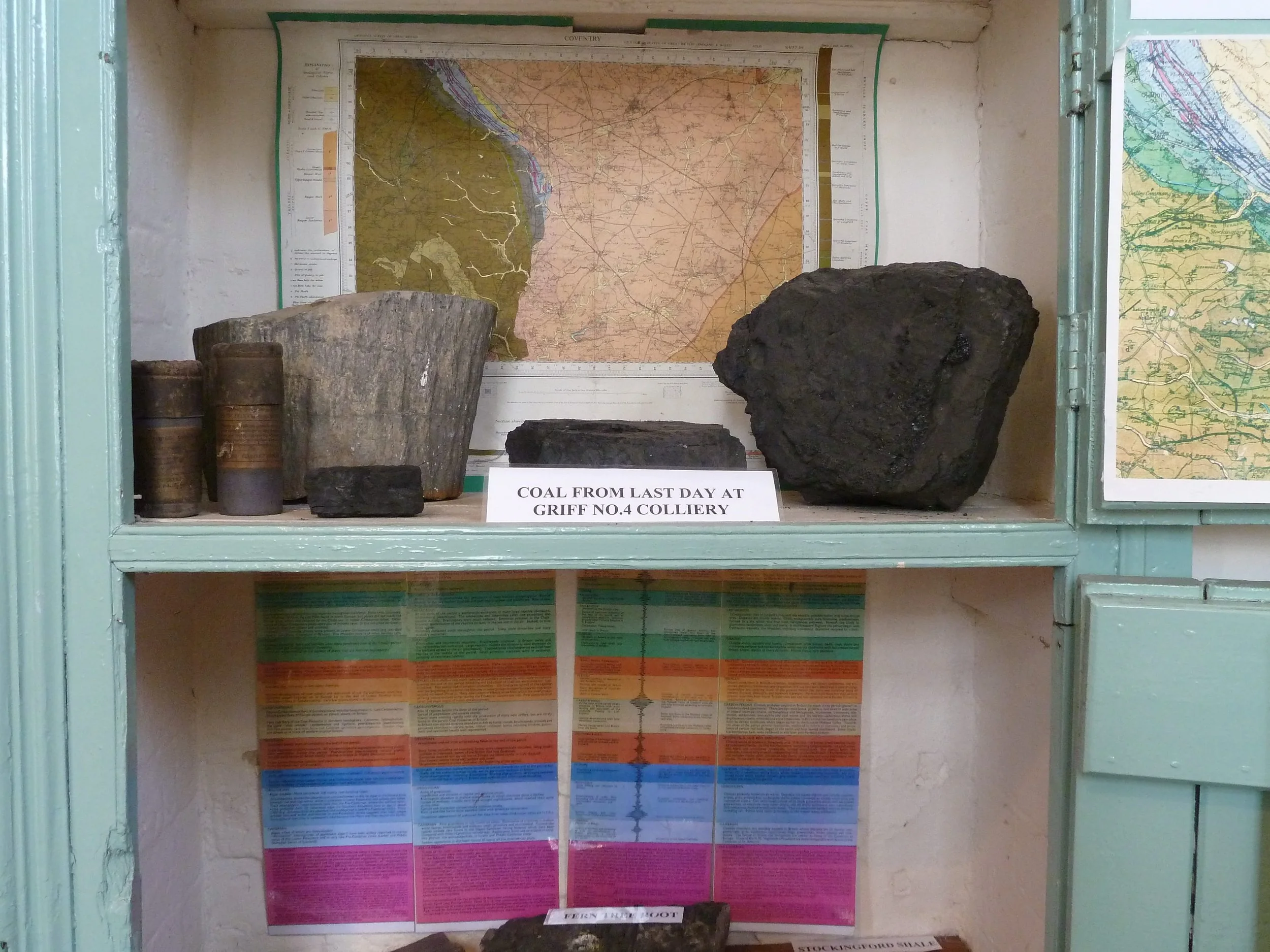
The Griff No. 4 Colliery was a prominent coal mine in Nuneaton (Warwickshire Coalfield). Active from the mid-19th century until the mid-20th century, it operated alongside other pits in the area.
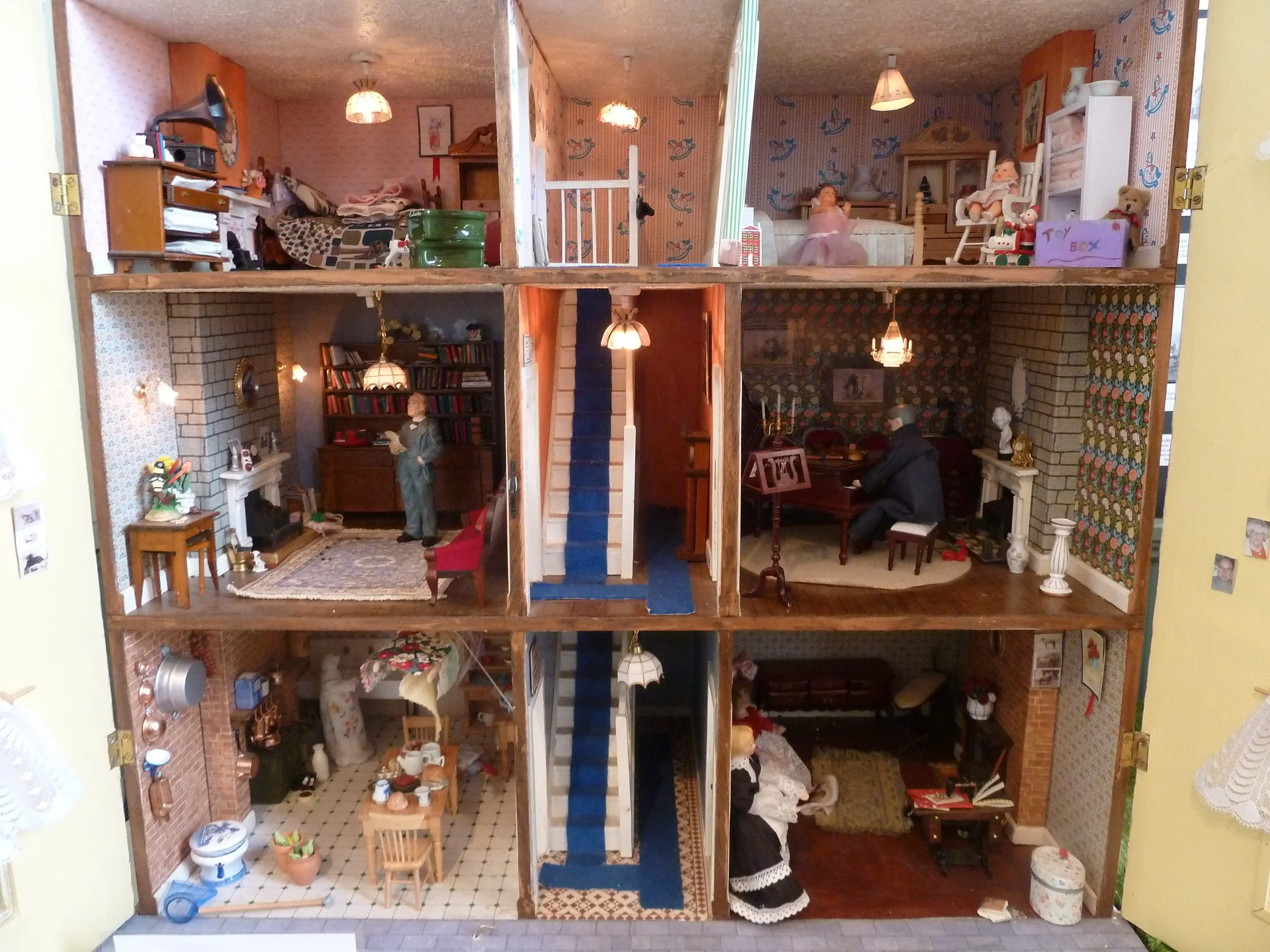
Dolls House - member of the public donation.
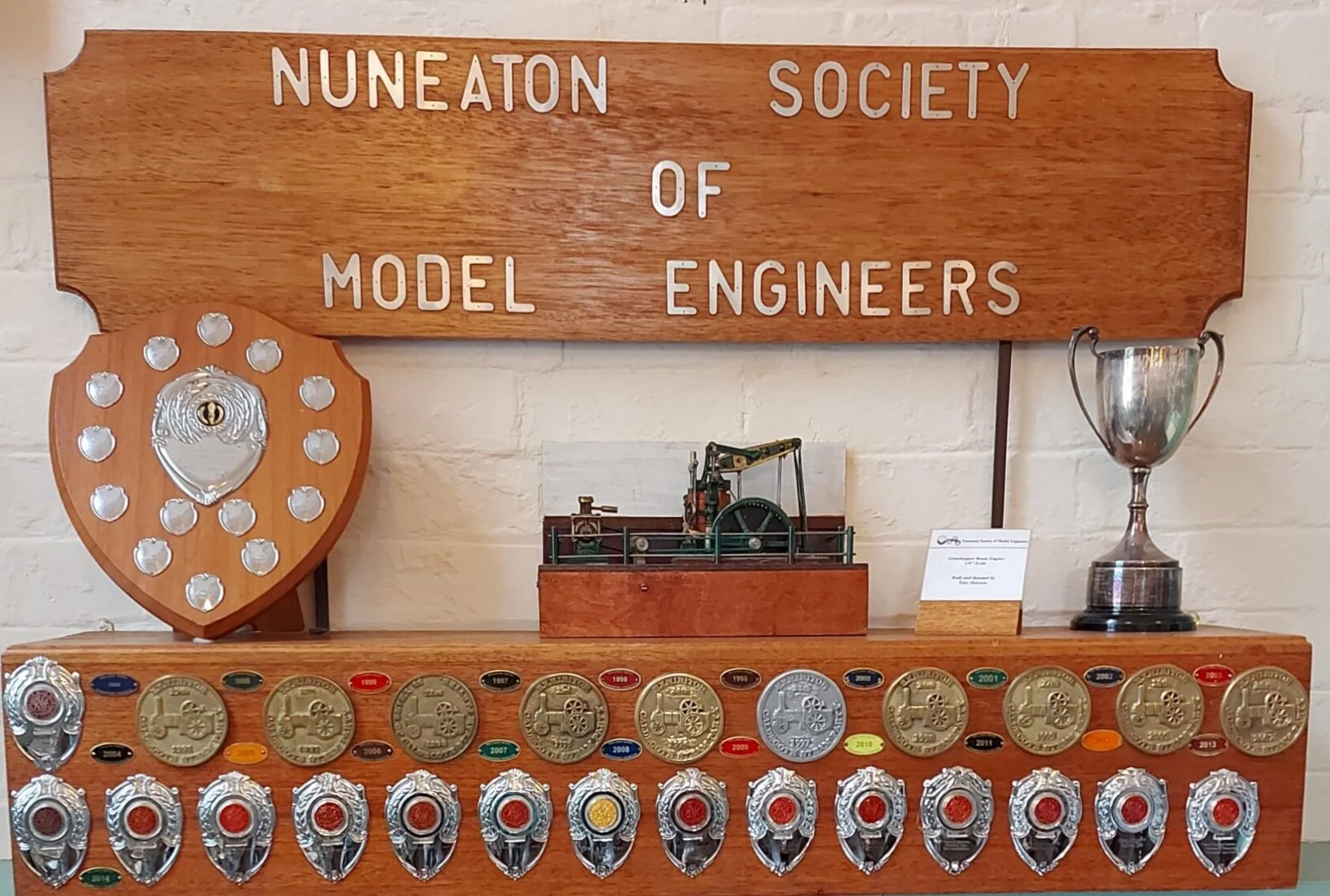
Nuneaton Society of Model Engineers - regular exhibitors at the Caldecote steam party, Warwickshire.
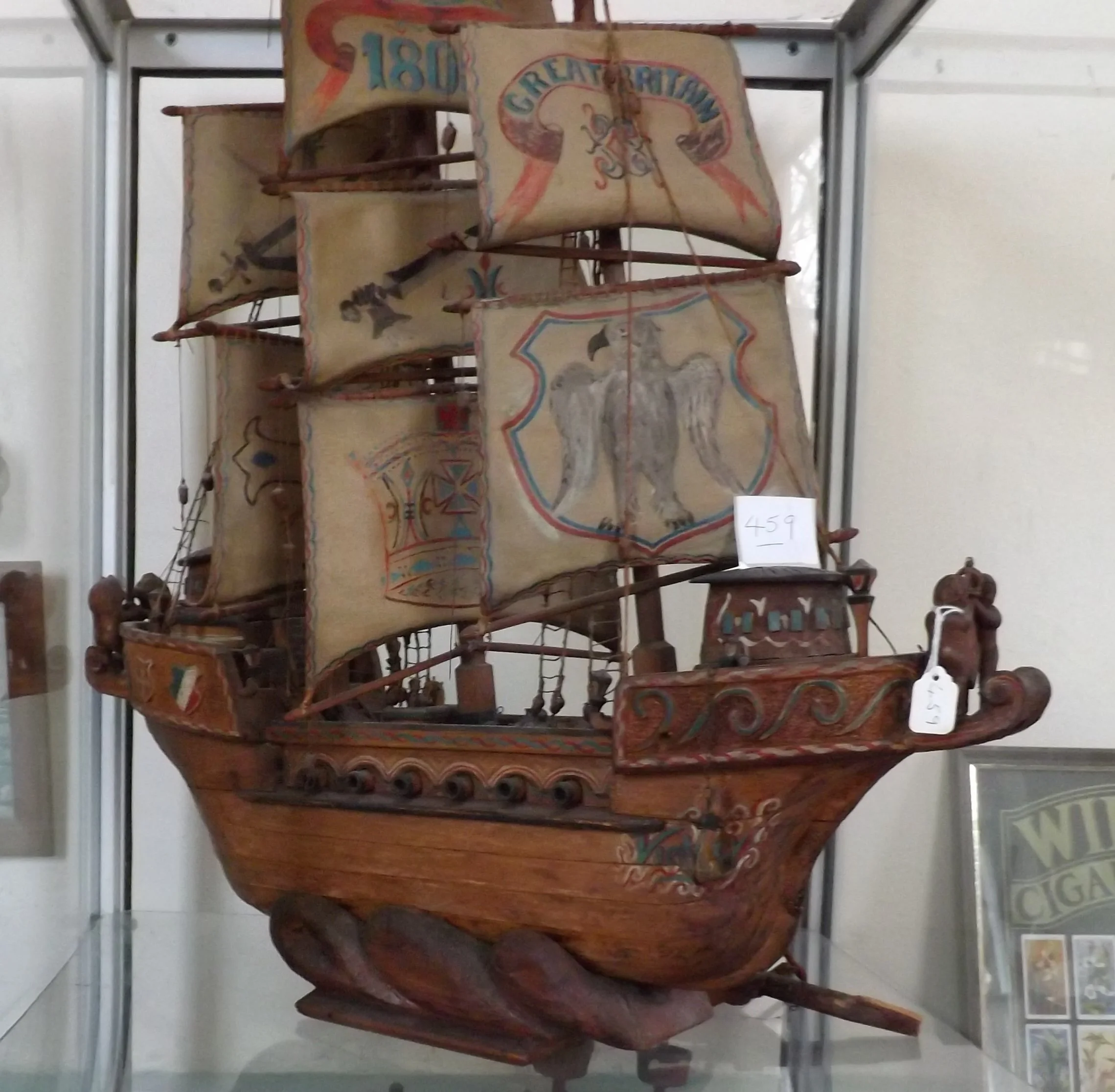
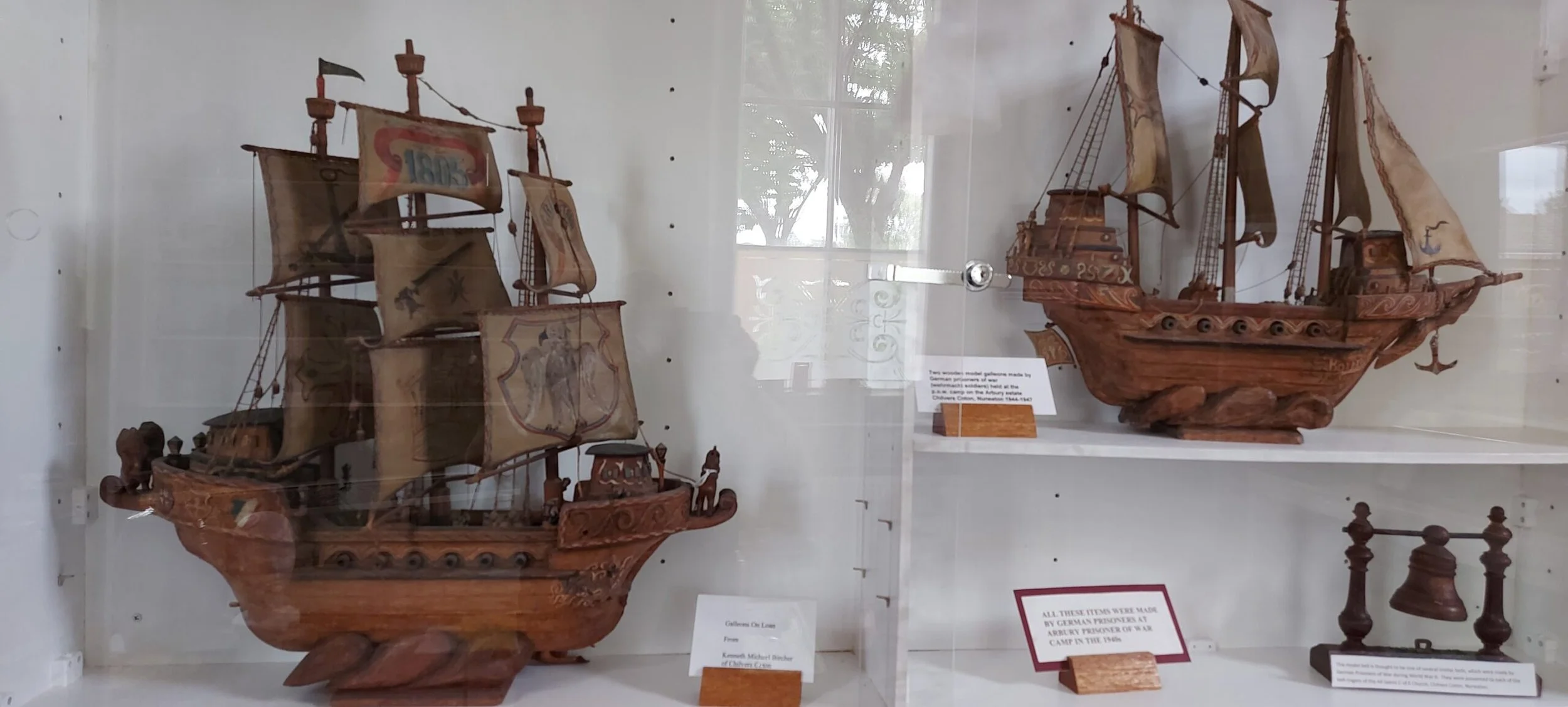
(a) & (b) Wooden boats made by German prisoners based at Arbury POW camp 1940-1945.
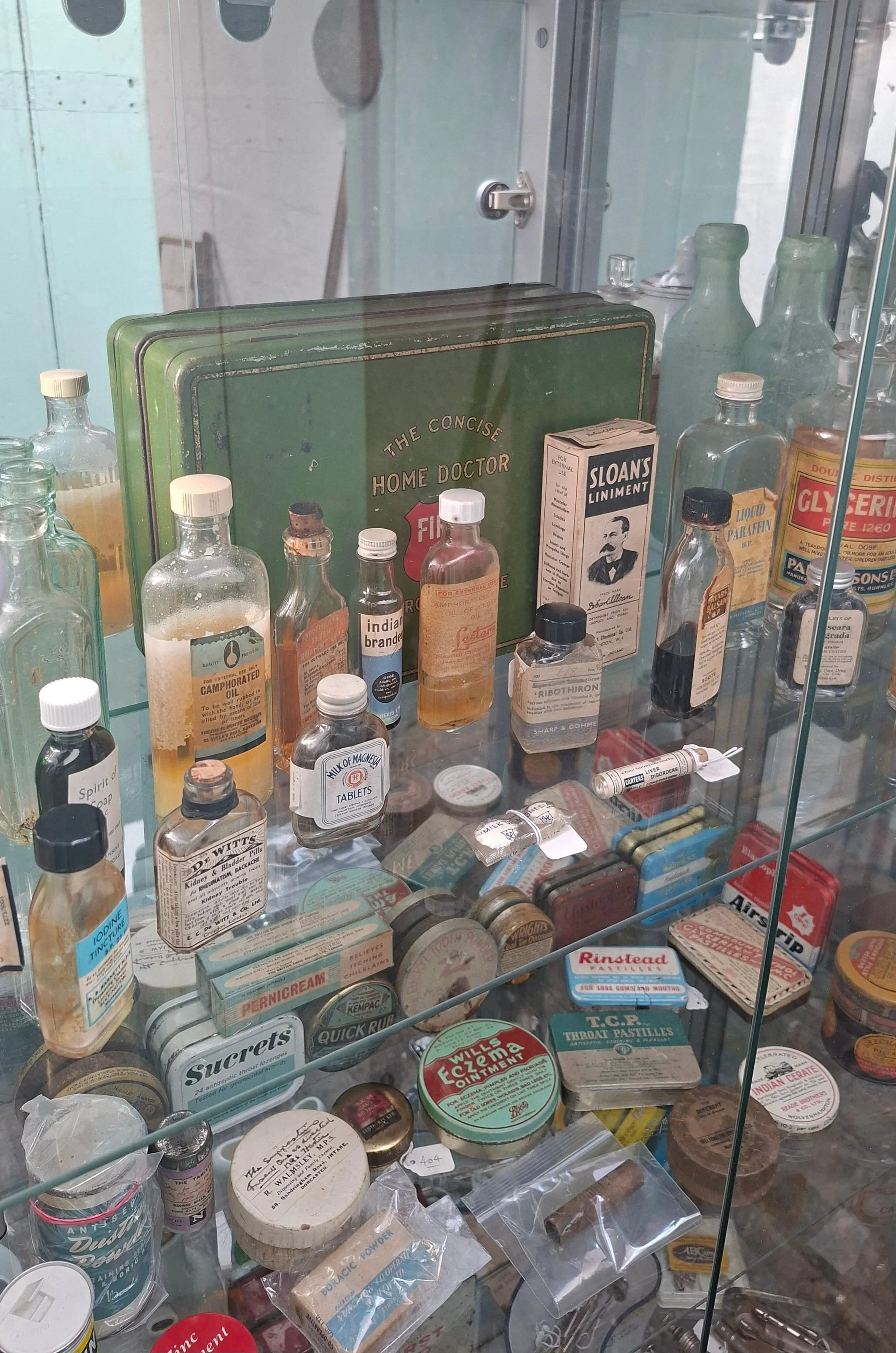
Selection of medicines and over-the-counter creams to treat common ailments in the early to mid 20th century was available at the local chemist.
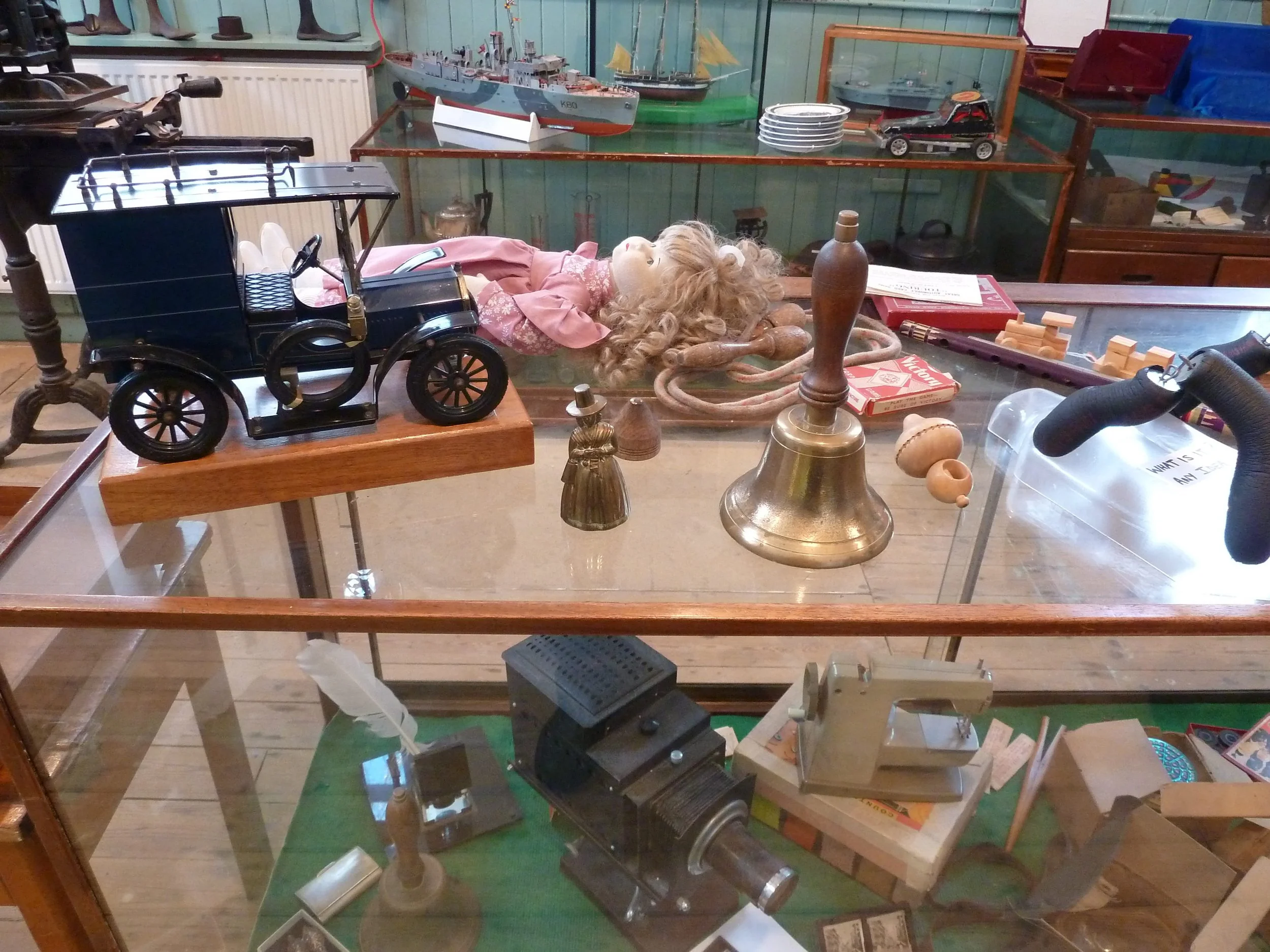
Selection of exhibits on display in the museum.
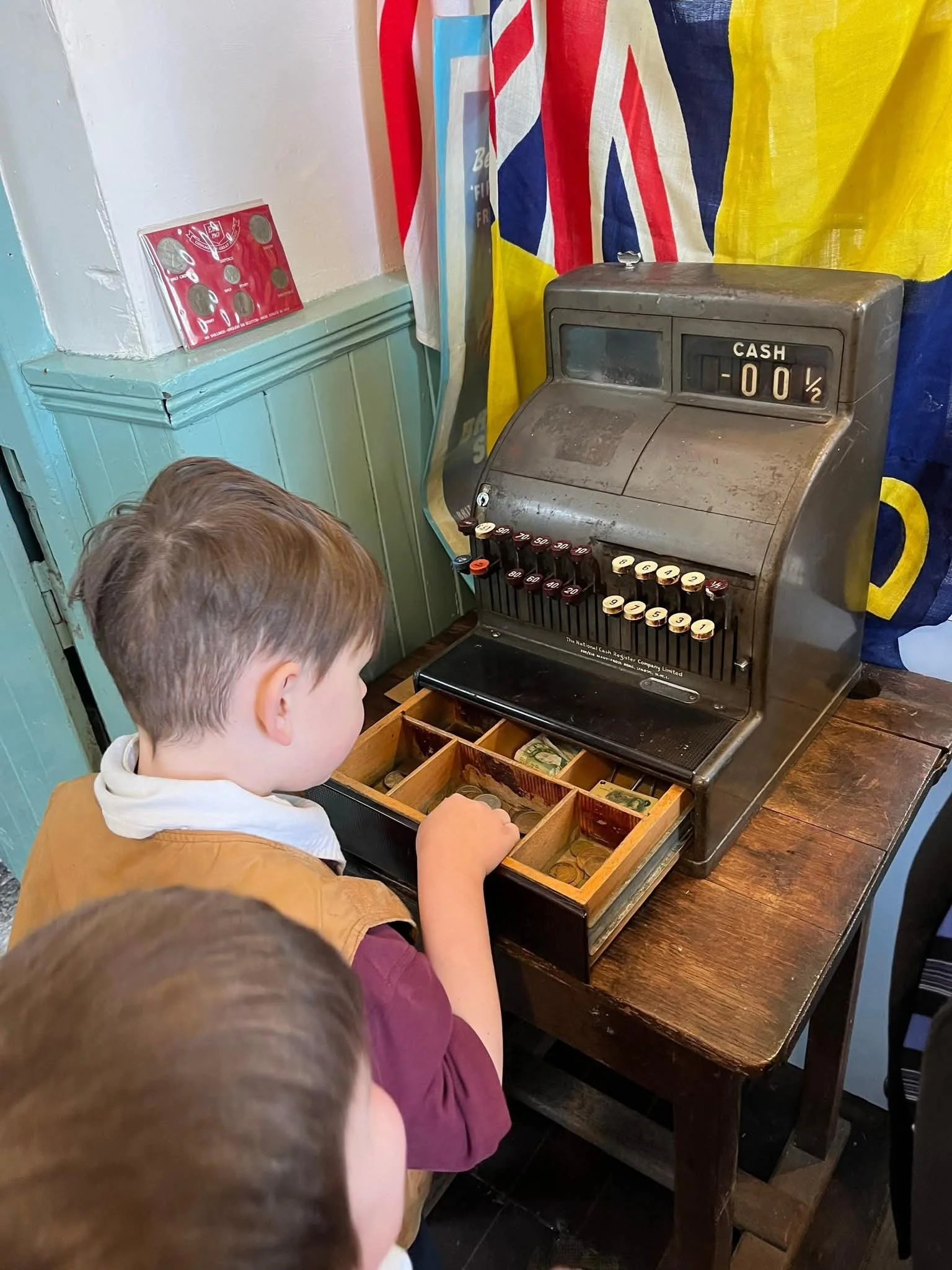
Vintage shop cash register in old currency £/s/d, with characteristic ring manufactured by the National Cash Register Company (circa 1950-1960s).
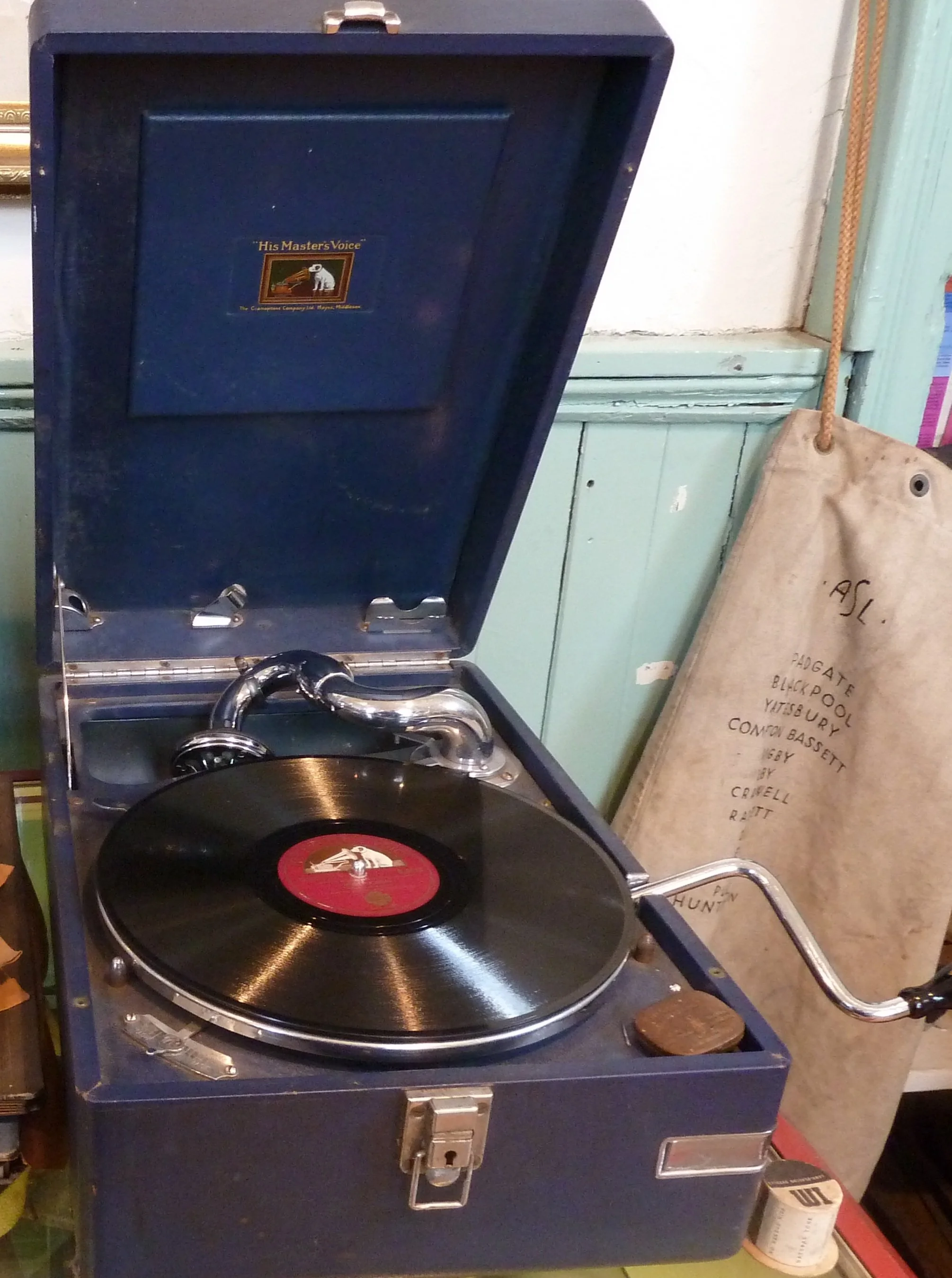
The "His Master's Voice" (HMV) wind-up gramophone, famous for its dog-and-horn logo, was developed by The Gramophone Company in the early 20th century. These fully mechanical devices required no electricity, utilizing hand-cranked springs to spin early 70 RPM shellac records.
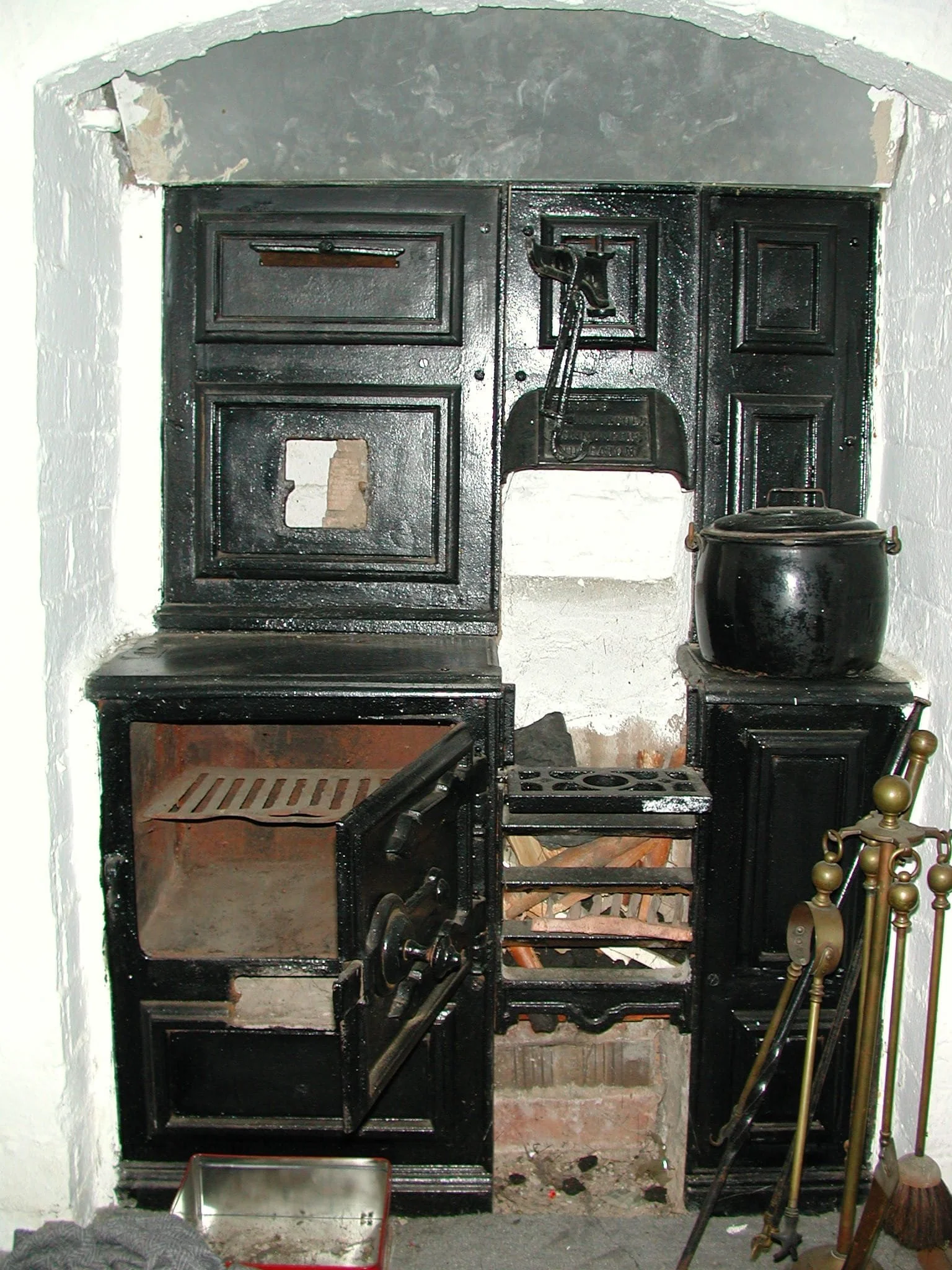
Victorian period cast-iron stoves and kitchen ranges revolutionized cooking by moving hearths to enclosed, fuel-efficient appliances. Originating from Thomas Robinson’s 1780 patent, these heavy units featured an integrated oven, water boiler, and stovetop hobs.
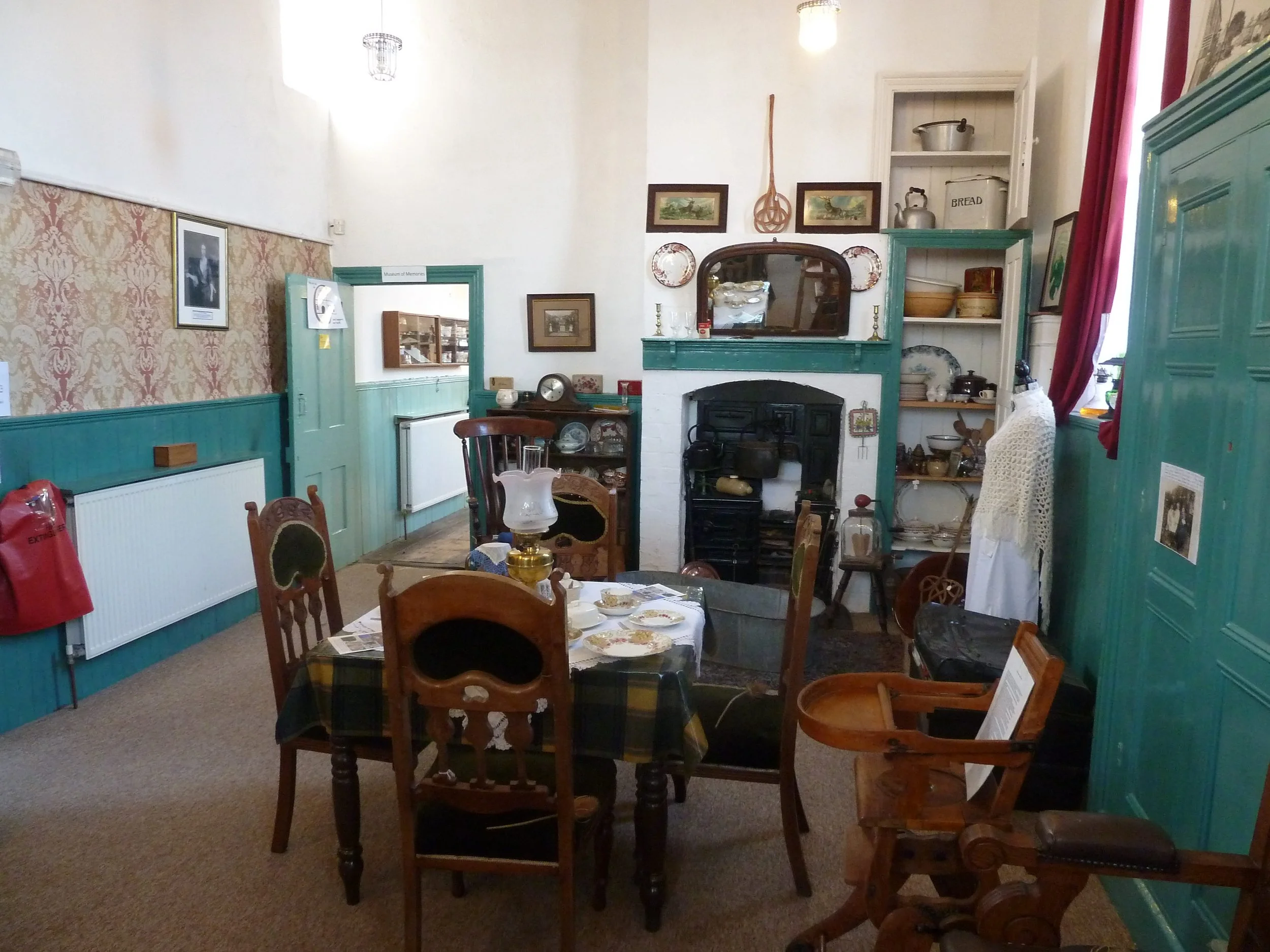
Victorian parlour.
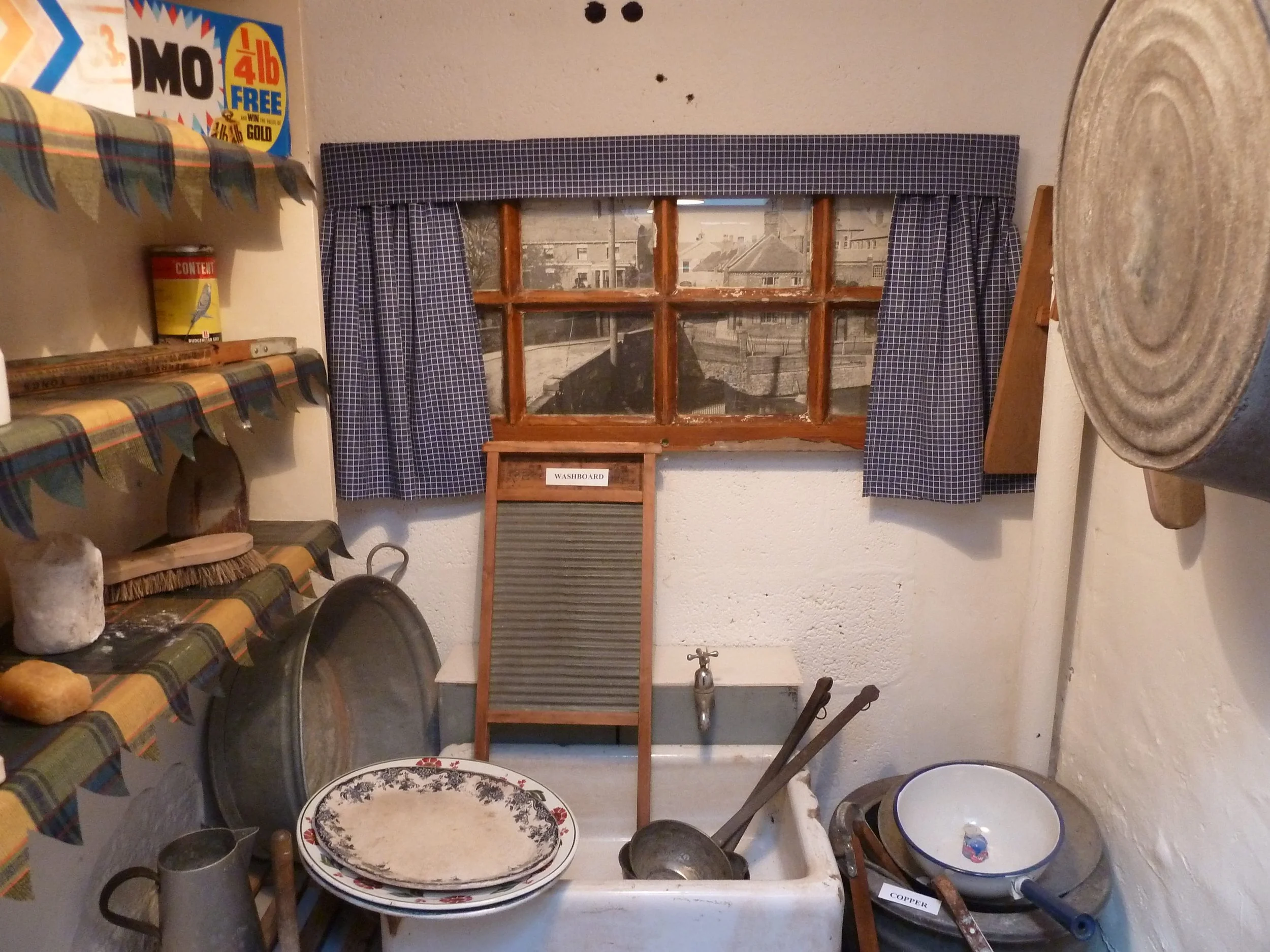
Washroom circa 1900-1960 the room features typical washroom equipment of the period including dolly tub, mangle, washboard.
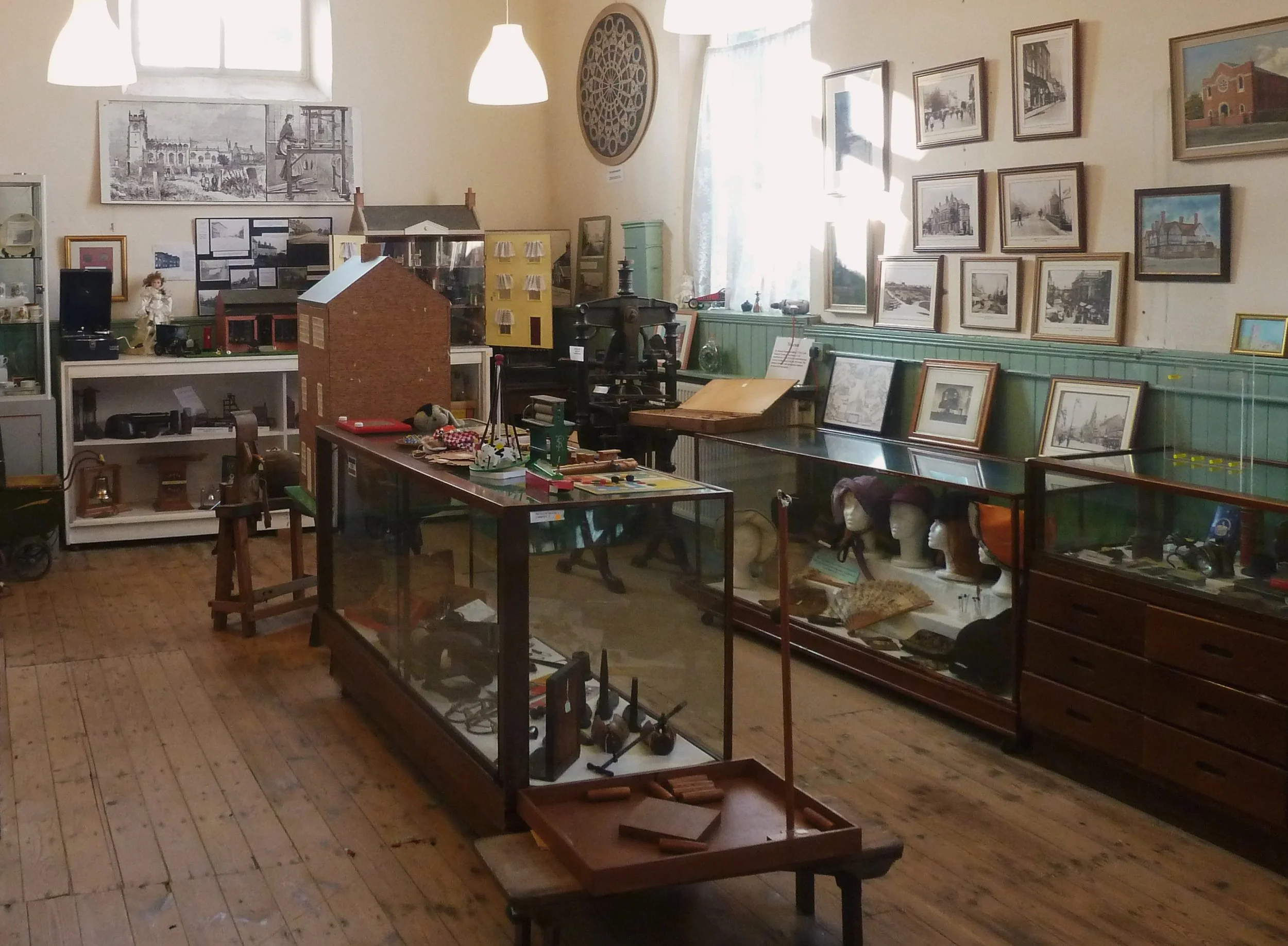
Museum room with various exhibits.
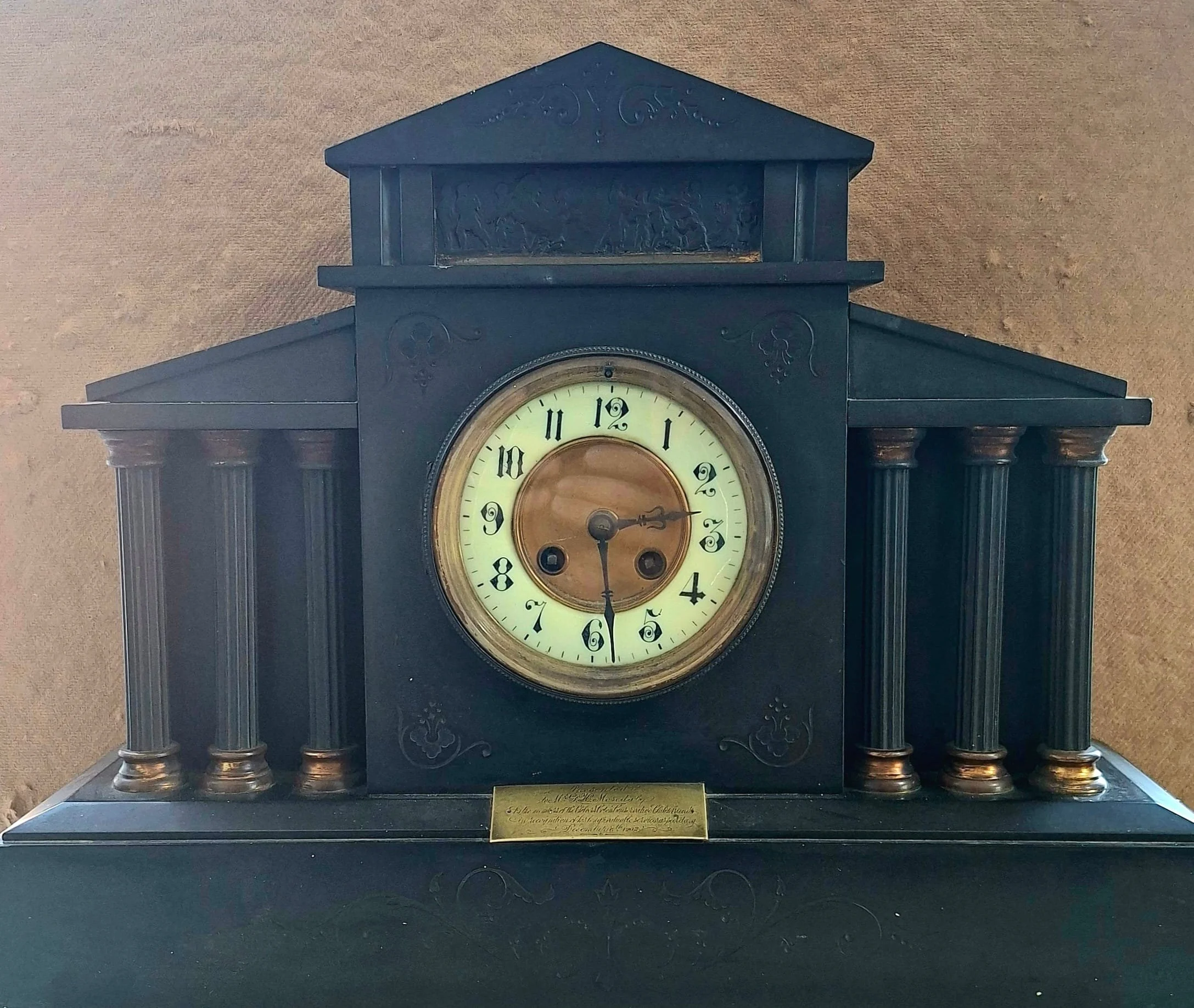
Clock presented to G Mosedale (former headmaster of Chilvers Coton School), for his services to Chilvers Coton Conservative Club (1902)
Donate to Collection
In this section:
-
Our Museum
-
Our Building
-
Collections
-
Shop