
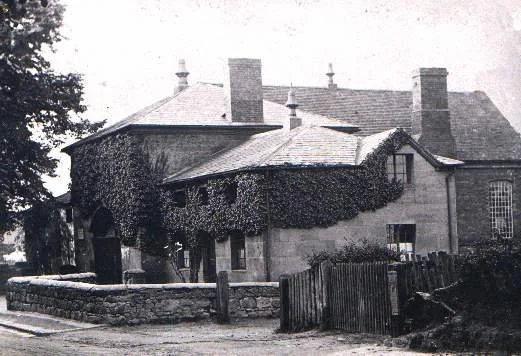
Our Building.
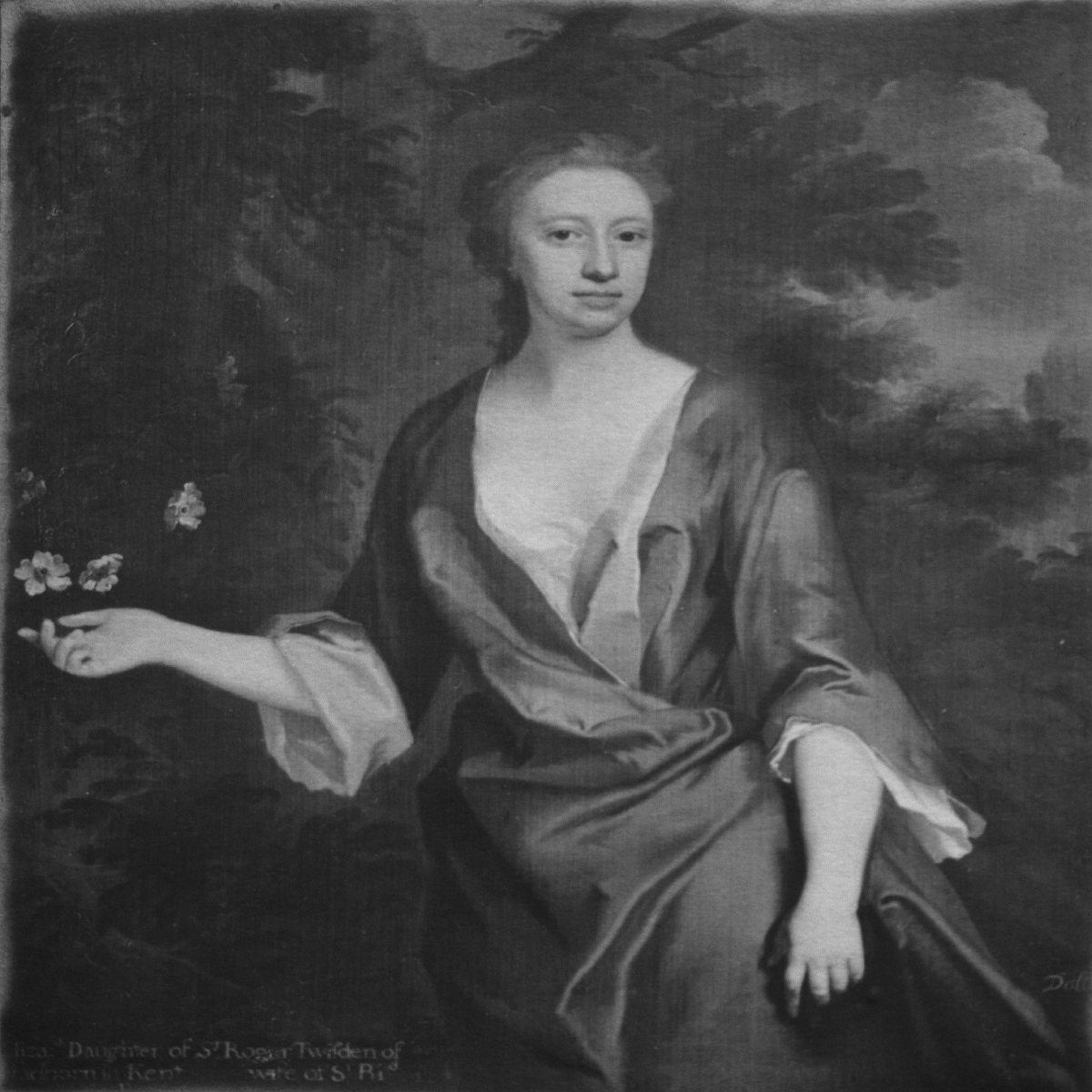
Early 1700’s.
Schooling in Chilvers Coton began long before there was a dedicated school building. During the 17th century, education in the village was encouraged by the influential Newdigate family of Arbury Hall. At a time when formal education for ordinary children was still uncommon, Sir Richard Newdigate (1644–1710) strongly supported the idea of children attending school.
Records show that John Holmes served as the Coton schoolmaster in 1684, while Jane Hutt was listed as a school “dame” in 1692. From 1697, and probably until 1733, the local vicar John Viall acted as the licensed schoolmaster.
After Sir Richard’s death, his daughter-in-law, Lady Elizabeth Newdigate, became head of the family for a period following the death of her husband. In 1735, she decided to place education in Coton on a more formal footing by funding the construction of a charity school, part of a wider movement of similar schools established across England during the early 18th century.
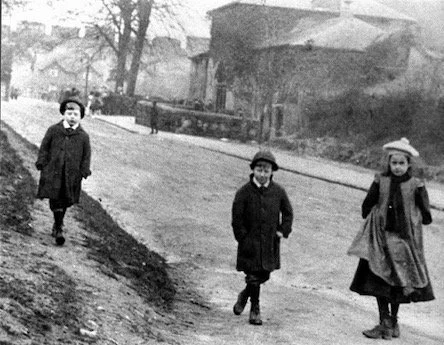
Late 1700’s.
The school was created “to teach 30 poor children of the parish.” Boys were taught reading, writing and arithmetic, while girls learned reading, writing, knitting, spinning and sewing. Education was free for local children, and Lady Elizabeth also paid for uniforms and running costs. Built at a cost of just over £73, the school stood opposite the parish church, in the section of the building nearest to Coton Arches today.
By the 1760s, Lady Elizabeth’s health was declining, and responsibility for the school increasingly passed to her son Roger Newdigate. He expanded the school; the designs, prepared by architect Henry Couchman, who also worked on the Gothic saloon at Arbury Hall, were ambitious. Although plans for a grand four-column entrance were never fully completed, the building still featured handsome stonework, a striking semi-circular window, high ceilings and tall windows that brought light into the classrooms.
Early 1800’s.
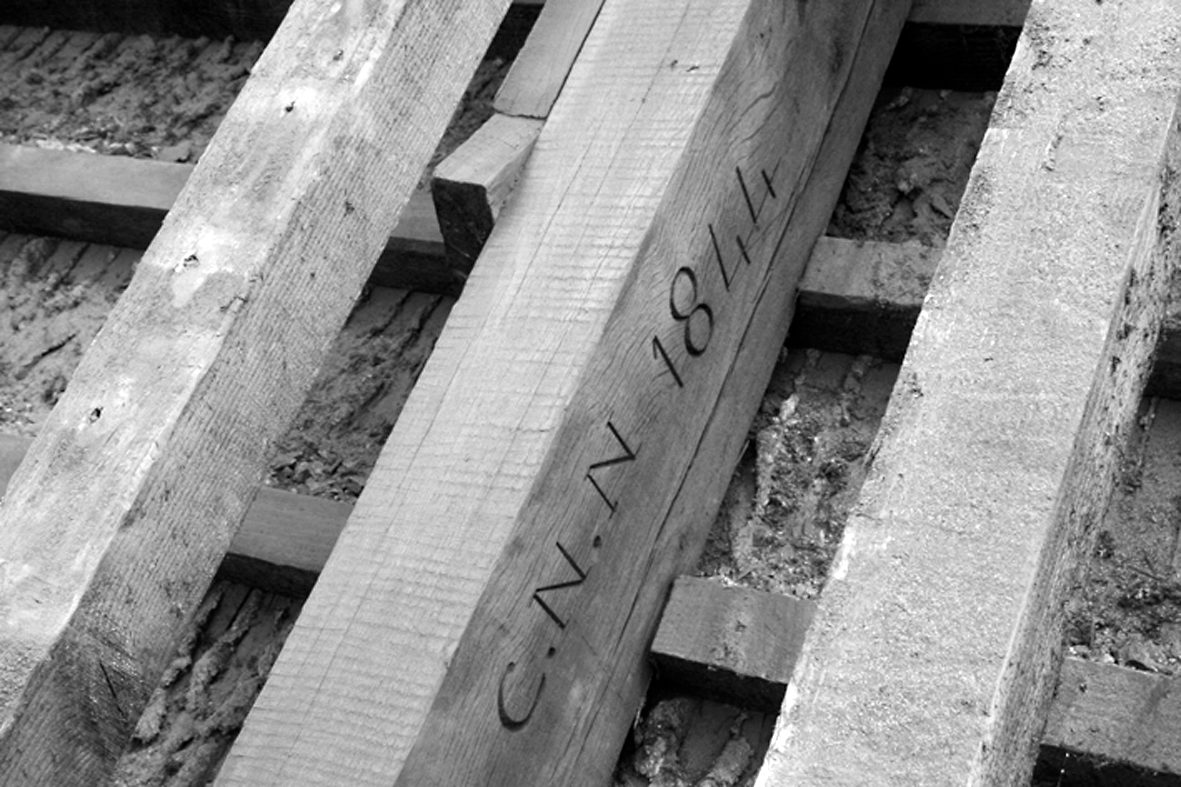
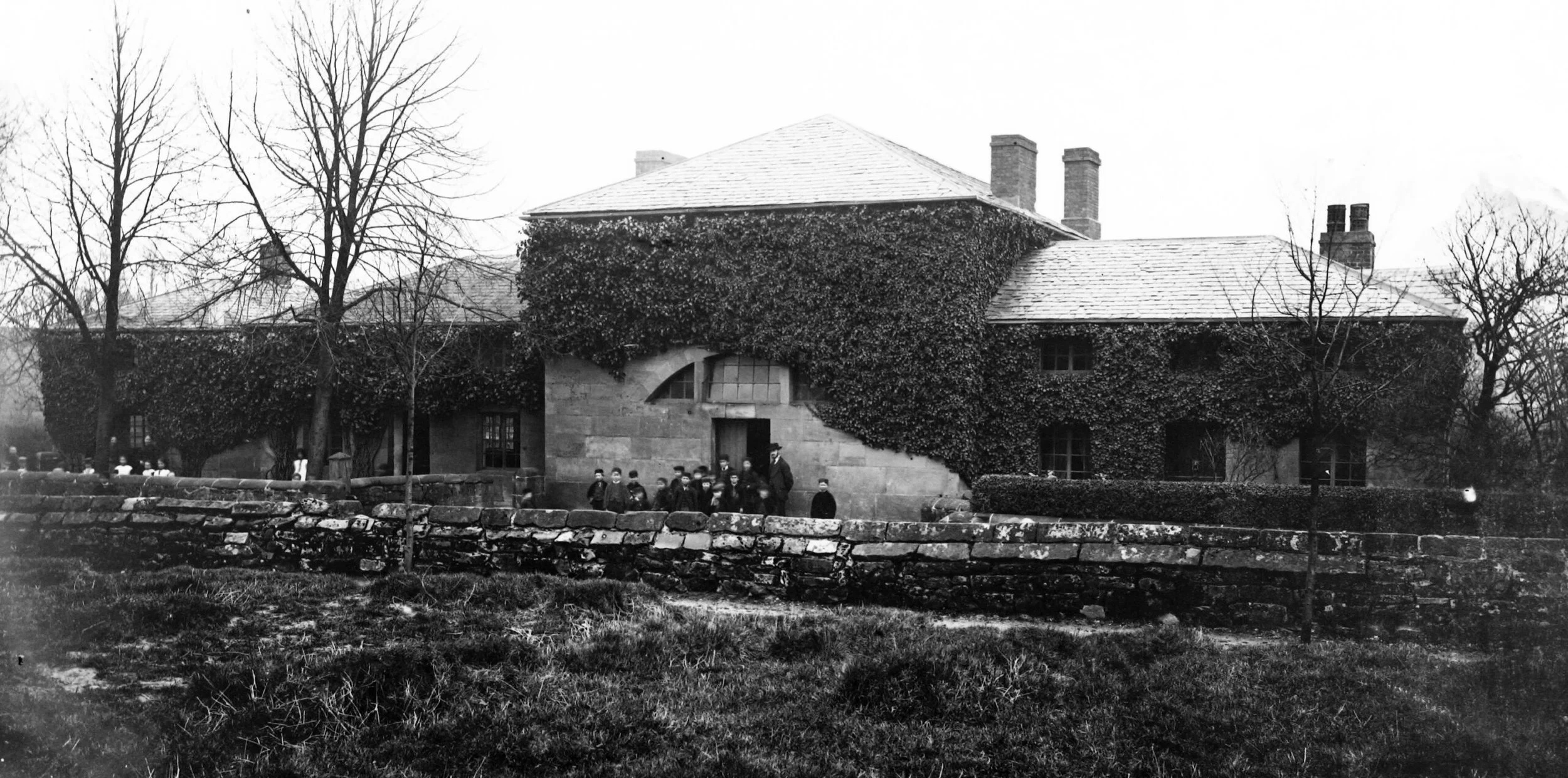
During the 19th century, education expanded rapidly across Britain, and the school at Coton grew with it. From the late 1830s, Charles Newdigate continued to support and finance the school, even as many other schools began charging fees. In 1844, following the death of schoolmistress Ann Morris and an increase in the number of boys attending, the vicar of Coton, Henry Hake, asked Charles Newdigate to fund a larger boys’ schoolroom in the centre of the building. Evidence of this work survives today in the carved initials of Charles Newdigate discovered in the roof timbers during later restoration work.
Soon afterwards, further changes were made. A husband-and-wife teaching team, John and Sarah Clarke, moved into accommodation on the upper floor, while the former schoolmistress’s house was converted and enlarged to create an infant school. Opened in 1848, the expanded building could provide free education for up to 75 children.
Late 1800’s.
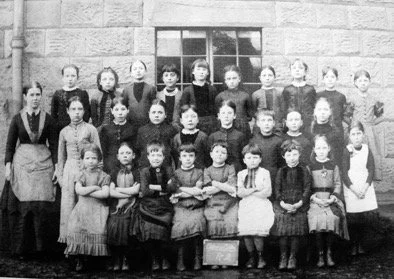
The Education Act of 1870 brought major changes to schooling throughout the country. Charles Newdigate wanted Coton’s schools to remain as independent as possible, believing the new Board Schools were costly and lacked sufficient religious influence. As a result, the school maintained its Church of England character.
Further additions were made in 1874, including a new section for the girls’ school and separate accommodation for a schoolmistress. Enclosed playgrounds for boys and girls were added at the front of the building, reflecting changing ideas about school design. Internal partitions also allowed classrooms to be divided more flexibly as pupil numbers increased. However, the large central schoolrooms remained at the heart of teaching and still define the building today.
The final major Victorian improvements came in 1893, when new drains, fireplaces, chimney stacks and windows were installed using the “best quality local stone.” Additional classrooms were created, including the conversion of part of the schoolmaster’s house to relieve overcrowding.
Early 1900’s.
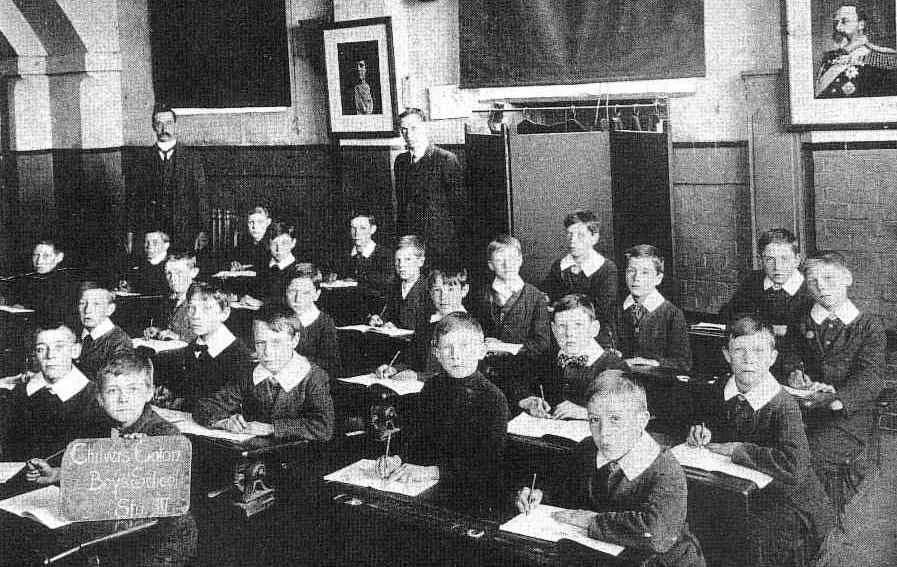
By the early 20th century, more children were attending school regularly and staying longer in education. The curriculum widened, teaching standards improved, and the school employed larger staff led by respected headteachers such as George Mosedale, head of the boys’ school from 1887 to 1929, and Florence Towe, head of the girls’ school from 1911 to 1932. During this period, the role of the Newdigate family gradually declined, and local authorities increasingly took responsibility for funding and managing the school.
Despite improving standards, the ageing buildings struggled to cope with growing numbers. They were often cold in winter and lacked modern facilities, but many former pupils remembered the strong sense of community within the school.
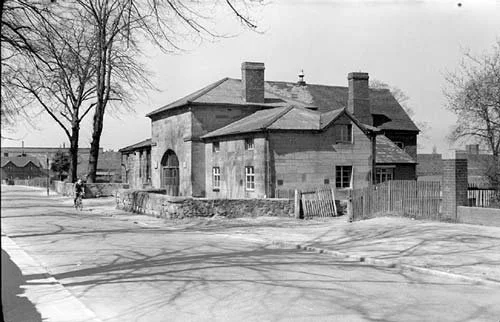
In 1932, the separate boys’ and girls’ schools merged into a single school. Children are now left at age 11 to continue their education elsewhere — an opportunity many earlier generations had never experienced. The development of the Hill Top estate in the 1930s helped maintain pupil numbers for a time. Still, the school’s future became uncertain, particularly after a bomb destroyed the nearby parish church during the Second World War in 1941.
Late 1900’s.
The school officially closed in 1954, although the buildings continued to be used for overflow classes until 1973. Afterwards, the site passed to the local Parks Department, and by the 1980s, the neglected building faced possible demolition.
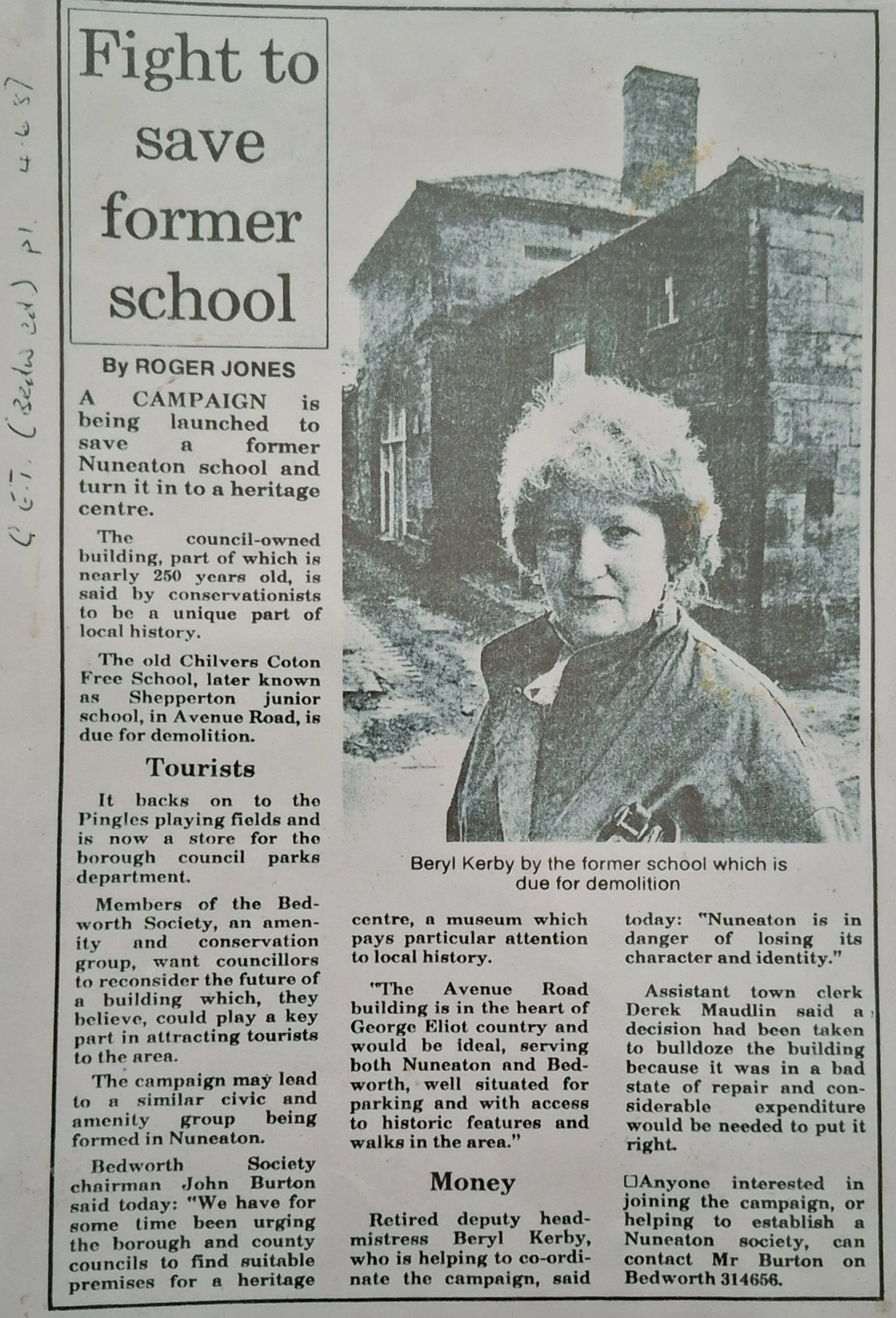
1988 - Present Day.
In 1988, local conservationists led by Beryl Kerby launched a campaign to save the historic school. She had the vision of turning the historic building into a Heritage Centre for the area. After a lot of hard work and lobbying by many local people, including the foundation of the Nuneaton Civic Society, Beryl’s dream was realised.
Almost 40 years later, the Heritage Centre is thriving. There are several meeting rooms for local groups and a Victorian Schoolroom, a brainchild of Beryl’s, where local children can engage in hands-on history as they discover the nature of nineteenth-century education.
The Centre is administered by a group of Trustees who have worked hard with the aid of lottery and other grants to gradually improve the appearance of the building, still owned by the Borough Council but run and financed by local people. More and more local groups are using the Centre, and there are regular historical exhibitions.
The building has been carefully restored over the years, including major roof repairs completed in 2011 that finally resolved long-standing damp problems and in 2021, the building had a new boiler and heating system installed.
Now warmer, drier and better preserved than at any time in its history, the Heritage Centre remains open to visitors and continues the building’s long tradition of serving the local community.

Keep exploring…
In this section:
-
Our Museum
-
Our Building
-
Collections
-
Shop